Tension has been running high in the newsroom of À Punt, a television channel broadcasting across Valencia, in recent days. The reason: the unexpected release of a video recording that could play a decisive role in the case of the catastrophic flood that claimed hundreds of lives. This material may cast doubt on previous statements made by officials and change public perception of the tragedy.
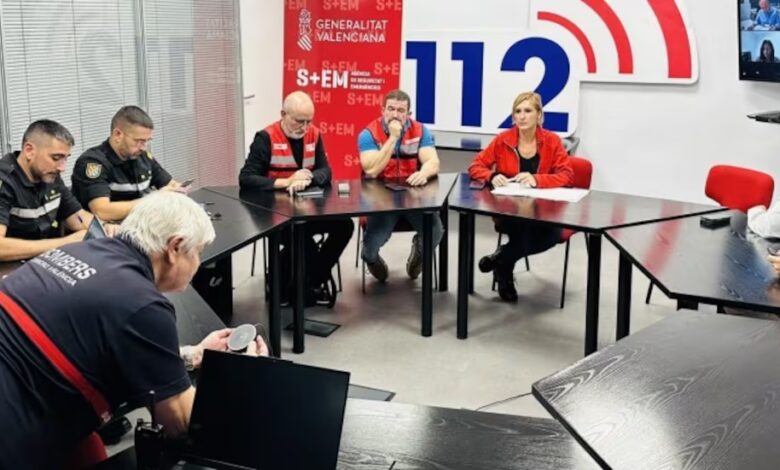
The video, now in the public domain, was recorded at the Coordination Center for Emergency Situations (Cecopi) on the evening of October 29. Until recently, only footage without sound, approved by emergency services for news reports, was shown on air. However, a full version with audio has now surfaced, featuring the instructions of the then head of the Department of Justice and Home Affairs, Salome Pradas. She was in charge of Cecopi’s operations on that critical day.
The recording captures discussions about issuing an emergency alert to the population via the ES-Alert system. According to the judge leading the investigation, the message was sent too late and contained errors. Pradas, in turn, tried to shift responsibility onto technical specialists. This detail could prove key in the case regarding potential negligence and unintentional casualties.
The scandal escalated when a shortened version of the recording, favorable to officials, had previously circulated in the media. The president of the autonomy, Carlos Mazón, even published information on social media based on this segment. Meanwhile, the meteorological service Aemet tried to obtain the full conversation. The question of who among À Punt staff had access to the archive and decided to release the full recording remains unanswered. The broadcaster’s management has launched an internal investigation and is considering taking legal action over the unauthorized removal of the material.
For nearly a year, dozens of employees had access to archival video materials. Many were aware of the audio version but hesitated to release it publicly. Now the question arises: what is more important — professional ethics or the public’s right to the truth? Some believe the TV channel could have allowed other media outlets to use the video footage without deleting the audio track if it contained significant information.
In recent months, there has been a change in leadership at À Punt, with corporation president Vicente Ordás appointed at the initiative of PP and Vox parties following changes to the law on leadership appointments. At the same time, the emergency department responsible for storing the recordings has not announced an internal review over the leak. Department representatives do not comment on whether an investigation is underway after Aemet appealed to the prosecutor’s office, which has already resulted in legal proceedings.
The video incident has sparked intense debate within the professional community and among local residents. Many note that À Punt had previously been praised for its objective coverage of the flood-related events. Now, however, the TV channel finds itself at the center of an ethical and legal controversy that may impact public trust in official bodies and the media.