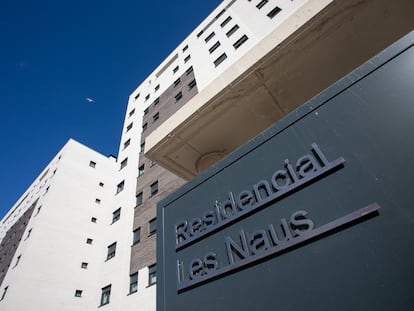
The sharp increase in rental and housing prices in Valencia in recent years has become one of the city’s most pressing issues. The availability of either owned or rented housing is no longer a private concern; it has become a factor affecting the region’s economy, demographics, and social stability. For many families, the inability to find decent housing means giving up future plans and living with a constant sense of uncertainty.
In 2016, renting an apartment in Valencia cost an average of 5.6 euros per square meter. Today, that figure has risen nearly two and a half times, reaching 13.9 euros. The price of buying a home has also nearly doubled. Over the past decade, the city has found itself at the epicenter of speculation and a tourism boom, leading to the displacement of local residents and growing social tension.
The lost decade
Many recall 2016 with nostalgia, but the reality at the time was far from ideal. The economic and political upheavals, along with the first signs of a real estate crisis, were already laying the groundwork for today’s problems. The surge in rental prices was not simply a result of inflation or a temporary imbalance, but the outcome of structural changes in the city’s economy.
Looking back, residents of Valencia are increasingly asking: why has the situation only worsened over the past ten years? The answer lies in policies that failed to curb speculation and protect tenants. Instead of real solutions, only temporary measures were offered, which did not address the root of the problem.
Public reaction
A surge of discontent and disappointment gave rise to new forms of self-organization. In February 2026, a tenants’ union was founded in Valencia, uniting those who were tired of constant rent hikes and the lack of guarantees. This initiative emerged as a response to a sense of hopelessness and a desire to regain control over their own lives.
The union states openly: this is not a temporary ‘bubble,’ but a systemic process of income redistribution in favor of property owners and investors. For most residents, this means losing financial stability and being unable to make long-term plans. With the state unable to offer effective protection mechanisms, people are forced to seek collective solutions.
Life without a future
The housing crisis not only deprives people of a roof over their heads, but also destroys their sense of security. The lack of stable housing turns life into a string of temporary fixes, making it impossible to plan for a career or a family. Time becomes cyclical, and each new year brings only new challenges.
The psychological pressure caused by the inability to find or keep housing is driving an increase in social apathy and nostalgia for the past. People are increasingly recalling times when housing was more affordable, even though the situation back then was far from perfect. This nostalgia has become not only a personal but also a social issue, preventing people from looking to the future with optimism.
Politics and decisions
In recent years, authorities have attempted various measures to curb rising prices. However, most initiatives, such as tax benefits for landlords, have proven ineffective or even insulting to tenants. Instead of real change, the market received only cosmetic amendments that fail to address the root of the problem.
Public pressure and new forms of self-organization could become a catalyst for revising housing policy. The question is whether policymakers will muster the political will to implement structural reforms that truly protect the interests of the majority. For now, residents of Valencia are forced to fight for the right to a decent life in their own city.
In recent years, Spain has faced similar crises in other major cities such as Barcelona and Madrid. There, rapid increases in rental prices also sparked mass protests and the creation of similar tenants’ unions. In some cases, authorities introduced temporary rent controls, but these measures rarely led to lasting improvements. The issue of housing affordability remains one of the most pressing challenges nationwide, and the search for effective solutions continues.