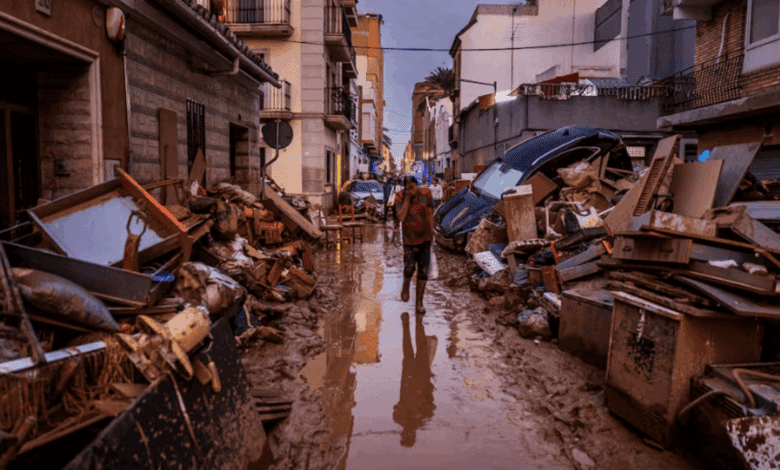
The events surrounding the October 29 tragedy in Valencia have taken a new turn: families of the victims and survivors are openly accusing regional authorities of inaction and are demanding accountability from former president Carlos Mazón. According to victims’ associations, delays in emergency alerts and the lack of decisive action led to the loss of lives. This situation has sent an alarming signal across Spain, putting public safety and government responsibility back in the spotlight.
Accusations and Demands
The head of the 29-O Victims Association, Rosa Álvarez, delivered a harsh critique of the regional government during a commission meeting in Les Corts Valencianes. She stressed that the tragedy could have been avoided if authorities had acted more swiftly and decisively. The fact that Carlos Mazón retained his mandate despite accusations of negligence sparked particular outrage. Association representatives are demanding that the PP party immediately revoke his parliamentary status or expel him from the party.
Mònica Torres Álvarez, who lost her father that day, said that the tragedy was caused not only by the natural disaster but also by delays in public warnings. She pointed out that representatives from PP and Vox prolonged the hearings, preventing the victims from speaking in time. According to her, the families are not seeking revenge but want justice and acknowledgment of mistakes.
Protests and Public Outcry
While debates continued in the assembly hall, dozens of people outside demanded the resignation of the former regional head. Protesters held signs calling for truth and justice, insisting on the need for real change. Mariló Gradolí, representing another victims’ association, emphasized that a return to normal life is impossible as long as Mazón remains in parliament. She also expressed concerns that the commission might be used to avoid accountability.
Gradolí reminded that decisions to warn the public had been made in advance, but there was a lack of political will to implement them. In her view, it was precisely the leadership’s lack of resolve that became a fatal factor.
Reaction from politicians
PP deputy Fernando Pastor expressed condolences to the families of the victims and offered dialogue. However, representatives from other parties — PSPV, Compromís, and Vox — took differing positions on the issue of responsibility. During the discussion, there were calls for an objective investigation and for those responsible to be held accountable.
At the end of the session, the families’ lawyer, Rubén Gisbert, demanded that not only Mazón but also Pilar Bernabé, who serves as the central government’s delegate in the Valencian Community, be held accountable. As reported by El Pais, the lawyer insists on opening a criminal case against both officials.
Parallels and new details
Recalling other high-profile cases, it’s worth noting that questions about the authorities’ actions during regional disasters have been raised before. For example, in an investigation focused on Mazón’s conduct on the day of the tragedy, his decision to refuse security just minutes before lunch drew particular attention. This episode, examined in detail in the report about why Mazón was left without security at the height of the tragedy, has prompted new questions for the regional authorities.
The situation surrounding the 29-O tragedy investigation brings to mind other cases where delayed emergency measures led to serious consequences. In recent years, Spain has faced several disasters in which timely warnings might have saved lives. After the Murcia floods in 2023, local authorities were also criticized for insufficient preparedness. In Catalunya in 2024, the effectiveness of the Es alert system was debated following severe rainstorms. These events highlight how crucial it is for Spain’s regions to have clear response protocols and to avoid repeating tragic mistakes.