A renewed debate has erupted in Spain over the influence of former Prime Minister José Luis Rodríguez Zapatero on the situation in Venezuela. The trigger was outspoken statements by writer Karina Sainz Borgo, who believes Zapatero’s actions in Caracas have not only angered Venezuelans but also raised questions about the transparency of relations between the two countries. For Spaniards, this is more than just a political dispute—it is a matter of trust in former leaders and their roles in international affairs.
Sainz Borgo, who has lived in Spain since 2006, claims the ex-prime minister used his contacts in Venezuela for personal gain. In her view, Zapatero’s most recent trip to Caracas was aimed at solving his own issues rather than genuinely helping the country. She also asserts that he insisted on the silence of released Spanish political prisoners, which sparked a wave of criticism against Spanish authorities and left-wing parties.
Political ties
The writer points out that Spain’s current government and its allies are overly loyal to the Maduro regime. She links this to an ongoing investigation into oil schemes being conducted by Spain’s National Court. According to her, there is a hidden animosity toward foreigners within the left-wing political spectrum in Spain, which shows in the way the Venezuelan diaspora is treated.
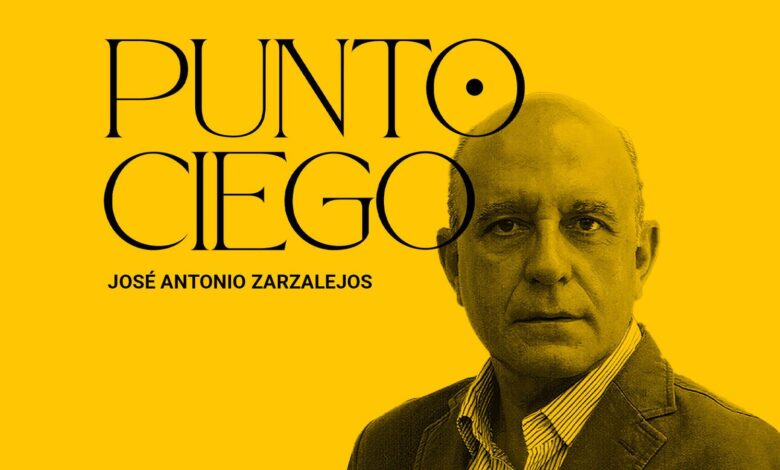
In an interview with journalist José Antonio Zarzalejos, Sainz Borgo also touched on the issue of succession of power in Venezuela. According to her, Hugo Chávez chose Nicolás Maduro as his successor to ensure he would not threaten his legacy. She believes that key figures in the regime, such as the Rodríguez brothers and Diosdado Cabello, bear just as much responsibility for the country’s situation as Maduro himself.
A view on the US and Trump
Sainz Borgo is skeptical about the US attempts to influence the situation in Venezuela. She believes that the operation to detain Maduro resulted in more casualties than officially reported, and that Donald Trump’s interest in the country was driven not by concern for democracy, but by a desire to gain access to its resources. In her opinion, Trump’s migration policy resembles internment camps, and his style of governance only increases tensions.
The writer points out that many Venezuelans in exile support Trump, but she questions his democratic intentions. She compares ‘Trumpism’ to an inflating bubble that could burst at any moment, and notes that US democratic institutions are also under pressure.
Migration and consequences
Carina Sainz Borgo is recognized as one of the most prominent figures among Venezuelan immigrants in Spain. She estimates the scale of her compatriots’ exodus at nine million people and believes that it will take as many years to restore Venezuela as the decline lasted. According to El confidencial, the writer is active in Spanish media, raising questions about the country’s future and Spain’s role in this process.
In the context of Spanish politics and international relations, it is worth recalling how recently the decision by Madrid authorities to award Donald Trump sparked a heated reaction in both Latin America and Spain. This incident also highlighted how sensitively Spanish society perceives any moves related to Venezuela and its leaders.
In recent years, the issue of foreign political involvement in Venezuelan affairs has repeatedly become the subject of controversial investigations and debates. In 2025, Spain discussed alleged ties between some officials and Venezuelan companies, while in Latin America debates continue over the influence of European leaders on domestic affairs. Such stories often prompt new investigations and deepen mistrust between countries, impacting diplomatic relations and public sentiment.