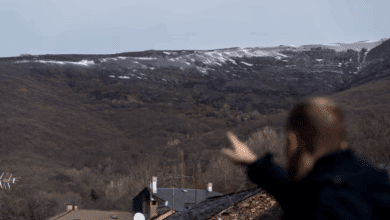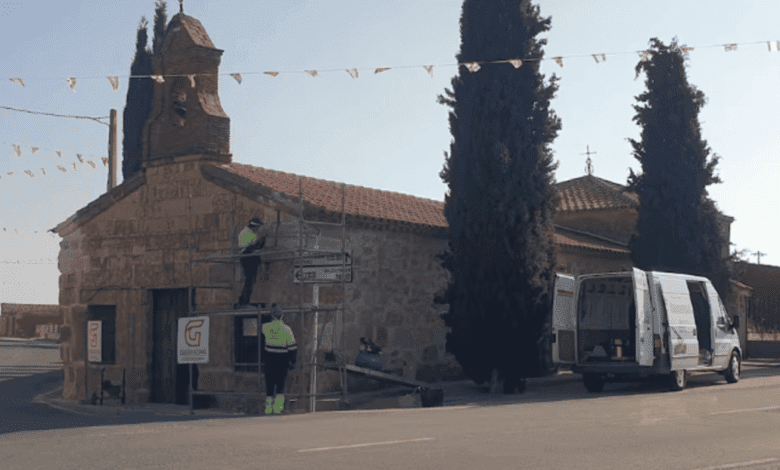
In the small village of Venialbo in Zamora province, a significant event is brewing: locals are preparing to vote on the future of an ancient sanctuary that has fallen into disrepair since it was transferred to the ownership of the Catholic Church. The site in question, the Ermita de la Veracruz, was for many years an integral part of village life but is now in urgent need of rescue.
The story of transfer and neglect
In the late 1990s and early 2000s, the Catholic Church claimed ownership of thousands of properties across Spain by taking advantage of changes in the law. Among them in Venialbo were three sites: the sanctuary itself, the parish church, and the priest’s house. Since the church became their official owner, maintenance of these buildings has virtually stopped. Locals note that the sanctuary is gradually deteriorating, and traditional events and cleaning are no longer held.
In 2024, the municipality tried to negotiate with the diocese to return the sanctuary to the village. A preliminary agreement was reached: the sanctuary would be transferred for free, and the priest’s house would be sold at cadastral value. However, the deal fell through at the last minute because of disagreements between the parish and the diocese. The issue remains unresolved, and the monument’s fate is still uncertain.
A vote as a way out of the impasse
Realizing that negotiations had reached an impasse, the head of the municipality decided to put the issue up for public discussion. The residents of Venialbo will decide for themselves whether they want to return the church to village ownership and revive the traditions associated with this place. If the majority supports the initiative, the authorities will appeal to the diocese, asking them to respect the will of the people.
For many residents, the church is more than just a building—it is a symbol of community and history. Previously, the local brotherhood took care of it, organizing festivals and processions, with the proceeds used for maintenance. After the church was transferred, all this ended, and the sanctuary was left on the brink of ruin. Recently, the building was even damaged in an accident when a truck hit a corner of the structure, but repairs have since been made.
Looking ahead: the church and the priest’s house
The municipality isn’t stopping at just reclaiming the church. Local authorities also want to buy the priest’s house, which has stood empty for ten years and is in need of repairs. Plans include transforming it into a cultural center or using it for social housing, so the building once again serves the community rather than standing idle. Locals believe this approach will help preserve their historical heritage and breathe new life into it.
The head of the municipality emphasizes that there are no complaints against the priest, who serves several villages and simply cannot attend to every site. He also mentions the diocese’s willingness to meet residents halfway if they show unity and perseverance. The main thing, he notes, is that decisions should be made in the interest of the whole community.
Context: Mass transfers of property to the Church
The situation in Venialbo is just one part of a much larger story involving the transfer of real estate to the Catholic Church throughout Spain. From 1998 to 2015, the Church registered ownership of tens of thousands of properties, taking advantage of specific legal provisions. Although these privileges were later revoked, properties already registered remained in the Church’s possession.
The question of returning such properties to public use remains pressing for many Spanish municipalities. Venialbo became one of the first to put the issue to an open vote, giving residents the chance to decide the fate of their historic heritage.