The legal proceedings involving the Pujol family are once again at the forefront of Spanish public attention. The reason is the unexpected statements made by former commissioner José Manuel Villarejo, who has categorically denied any involvement in the so-called ‘Operation Catalonia.’ This issue has long been controversial, as it concerns not only the fate of prominent politicians but also public trust in the country’s judicial system. According to Ale Espanol, Villarejo maintains that he did not participate in actions against Catalan separatists and had no connection to the leaks regarding the Pujol family’s foreign accounts.
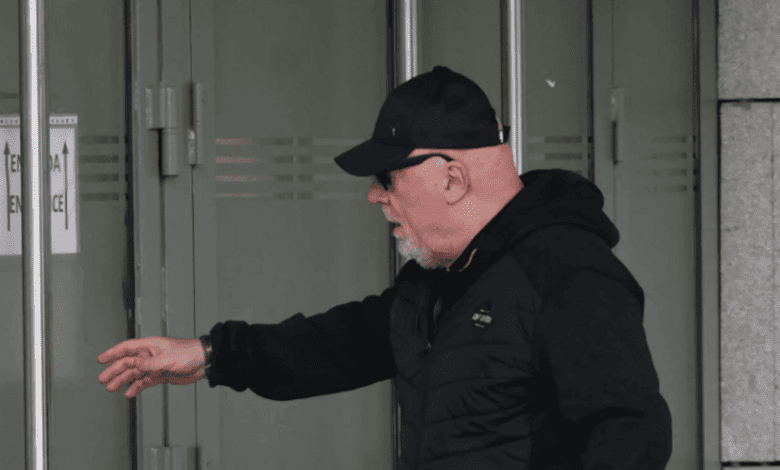
During a hearing at the Audiencia Nacional (National Court), Villarejo was summoned as a witness. His testimony unfolded in a tense atmosphere: Judge José Ricardo de Prada repeatedly pressed the former commissioner for direct answers despite his attempts to evade some questions. Villarejo explained that he had heard of ‘Operation Catalonia’ but had not taken part in it. He also emphasized that he does not know who provided the media with information about the Pujol family’s accounts in Andorra.
Legal details
The defense of Jordi Pujol and his children claims that the investigation into their financial affairs was politically motivated. According to them, the publication of compromising materials in 2014 was the result of work by the so-called ‘patriotic police,’ which, in their version, included Villarejo. However, the former commissioner insists that his role in these events is exaggerated and that the main person responsible for gathering information was another police officer—Marcelino Martín Blas.
During questioning, Villarejo repeatedly argued with the judge, stating that he felt under pressure from the court. He also refused to answer some questions, referring to an ongoing case in Andorra. The judge, for his part, demanded order and asked to refrain from ironic remarks. Villarejo also tried to distance himself from Victoria Álvarez, the former partner of Jordi Pujol Ferrusola, who was the first to report possible violations by the Pujol family.
Mutual accusations
On the same day, former Deputy Police Director Eugenio Pino also testified in court. He claimed that Villarejo accompanied Álvarez to the police interrogation. In response, Villarejo questioned Pino’s mental health, which prompted another warning from the judge. While discussing entries in Villarejo’s personal notebooks, where key figures in “Operation Catalonia” were mentioned, the ex-commissioner stated that his notes were often misinterpreted, and that at the time he was focused on counterterrorism and traveled to countries in the Middle East.
Court proceedings in the Pujol case have repeatedly given rise to high-profile scandals. For example, there was previously confusion over the summoning of a witness in the courtroom, triggering a strong reaction among those present. This was covered in detail in the article about the unexpected twist in the Pujol case proceedings.
Context and consequences
According to Ale Espanol, Villarejo admitted meeting with Interior Ministry officials but did not recall whether issues related to the Pujol family were discussed. He stressed that the main focus was on counterterrorism. Meanwhile, the Pujol defense continues to insist on the political motivations behind the case, believing that their prosecution is linked to attempts to discredit the Catalan independence movement.
In recent years, Spain has repeatedly faced high-profile court cases where political motives were intertwined with criminal charges. Such trials often spark widespread public debate and become a focus of media coverage. One only needs to recall the recent hearings involving other prominent politicians, which also raised concerns about transparency in investigations and possible pressure on the judiciary. These cases highlight the acute issue in the country regarding trust in institutions of power and the independence of the justice system.