The issue of school meals in Spain has returned to the spotlight after the Vox party launched a campaign against halal menus. This initiative could reshape the way school lunches are organized and affect many families across the country. The debate goes beyond culinary preferences, touching on questions of identity, tradition, and integration.
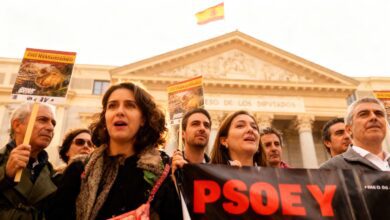
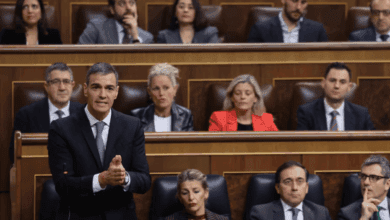
Vox, already known for its controversial proposals, has now called for a ban on halal menus in school cafeterias. The party insists that such dishes contradict Spanish customs and could erode national traditions. According to El Pais, the initiative has reached not only the parliament but also local authorities, where party representatives are obliged to put forward corresponding proposals.
Pressure on the regions
Vox leadership has instructed its representatives in regions and municipalities to prioritize the issue of halal menus, even if it means putting other local initiatives on hold. This move has forced other parties, such as PP and Junts, to take a stance and draft their own proposals. As a result, the debate over school meals has escalated to a national level and become a subject of political debate.
The reason for the new campaign was the publication of a draft decree by the Ministry of Consumer Affairs, which discusses criteria for healthy and sustainable nutrition in public and private institutions. The document, open for public discussion, mentions the need to consider cultural and religious specifics when designing menus, including halal, vegan, and gluten-free options. Vox perceived this as a threat to traditional Mediterranean cuisine and accused the government of imposing multiculturalism.
Arguments from both sides
Although the ministry’s proposal only suggests the possibility of including halal menus as one of the options, Vox representatives claim that this is about the forced introduction of such dishes in public institutions. The party insists that foreigners should respect local customs if they live in Spain, and warns that similar changes could affect other religious diets, such as kosher food.
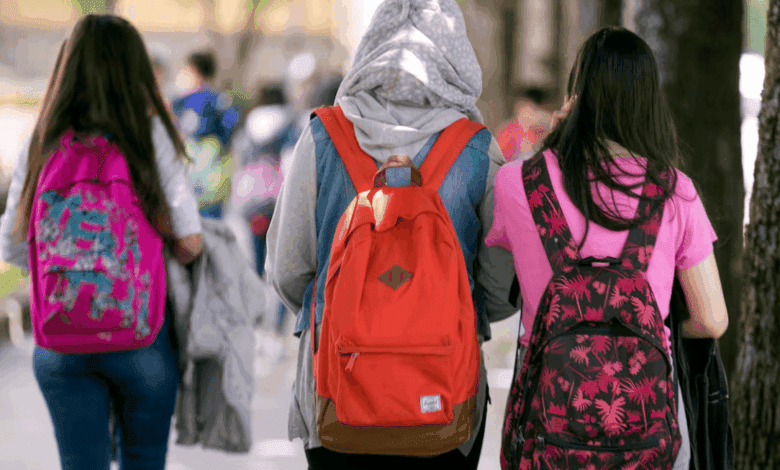
At the same time, according to El Pais, in some regions such as Ceuta and Melilla, halal menus have long been available in school cafeterias. This is because most students in these cities are Muslims, and the schools themselves requested appropriate meals. Companies that supply school meals are required to provide alternative dishes on request to meet the needs of all children.
Public reaction
The discussion around halal menu options has sparked widespread debate among parents, teachers, and members of various religious communities. Some believe that menu diversity encourages respect for cultural differences and aids integration. Others worry that such changes could lead to a loss of national traditions and create social tension.
In recent years, Spain has already seen disputes over religious and cultural characteristics in educational institutions. For example, topics such as wearing religious symbols and clothing, as well as celebrating traditional and new holidays, have been debated. Each time, such issues have led to lively debates and a search for compromise.
Other European countries also periodically debate how to accommodate cultural and religious preferences in public institutions. In some cases, this leads to the introduction of alternative menus or special rules; in others, to the rejection of such practices. In Spain, the issue of halal menus has become yet another example of how questions of identity and tradition influence everyday life and policy.