In Spain, the issue of the status and regulations for using parking spaces in residential complexes has long sparked debate. Many people believe: if you bought a spot, you can do whatever you want with it. But the reality is much more complicated. The Law on Horizontal Property (Ley de Propiedad Horizontal) not only defines who owns what, but also sets strict boundaries for garage owners. And if you thought you could turn your parking space into a mini storage or workshop, be prepared for disappointment.
Owners often face unexpected requirements: from paying community fees to being banned from making any changes without neighbors’ approval. Even installing an electric vehicle charger is now governed by a separate article of the law. Still, there are a few loopholes left—but not everyone will be able to take advantage of them.
The status of a parking space
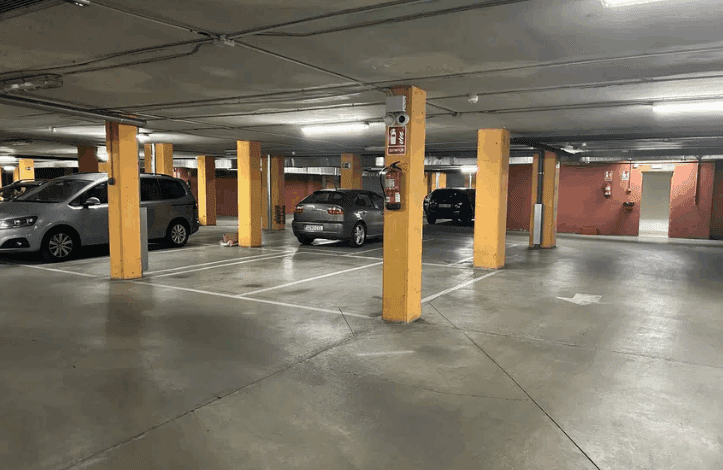
A parking space in an underground or above-ground garage is not just a slab of concrete. Under Spanish law, it is considered a separate real estate asset, but with qualifications. The ownership documents must specify the number, area, location, and even the adjacent walls. However, despite this individual status, such spaces are almost always integrated into the building’s shared infrastructure.
This means the owner is required to follow rules set for all residents. For example, you cannot change the purpose of the parking space on your own or build partitions. Even if the space is purchased separately from the apartment, its owner becomes a full member of the community and bears all related responsibilities.
Obligations and Restrictions
The law requires parking space owners not only to respect common areas but also to keep their property in good condition. Any damage caused by the owner or their guests must be repaired at their own expense. In addition, if building maintenance requires access to your space, you cannot refuse—otherwise, you may face penalties.
Particular attention is paid to financial matters. Every owner must pay their share of the costs for maintaining the garage and common areas, even if they do not use them. The amount of the fee is calculated based on the size and share outlined in the community bylaws. Missing a payment means facing a lawsuit and losing your voting rights at meetings.
What is Allowed and What is Not
Spaniards often use garages not only for cars but also to store bikes, old furniture, or even as workshops. However, the law is clear: a parking space is intended exclusively for vehicles. Using it as a storage area or warehouse may result in a fine and a requirement to return everything to its original state.
Installing cabinets, barriers, or any other structures is only permitted with approval from the homeowners’ association. Unauthorized modifications are considered violations and can be challenged in court. Even if your neighbors don’t object, you must obtain formal consent in advance. Otherwise, you risk losing your parking spot and facing a hefty fine.
Electric vehicle charging
Recently, electric car owners have gained the right to install charging stations in their parking spaces. To do this, it is enough to notify the community—approval from other residents is not required. However, all expenses, including connection and electricity costs, are the responsibility of the initiator. It is also prohibited to lay cables across someone else’s property without permission.
If a neighbor decides to challenge the installation, their chances of success are slim. The law clearly supports the development of eco-friendly transportation. However, all technical work must meet safety standards and must not inconvenience other garage users.
Conflicts and disputes
In practice, most conflicts arise from boundary violations. Some people park two cars at once, others encroach on their neighbor’s spot, and some turn their garage space into a storage area for building materials. In such cases, the law sides with the affected party: they have the right to demand that violations be rectified and damages compensated.
The issue of renting out or selling parking spaces to outsiders is particularly sensitive. In some communities, this is prohibited by the bylaws; in others, it is allowed only with the approval of the majority. Before signing any agreement, carefully review the internal regulations. Otherwise, you risk legal disputes and could lose not just money, but also your reputation.