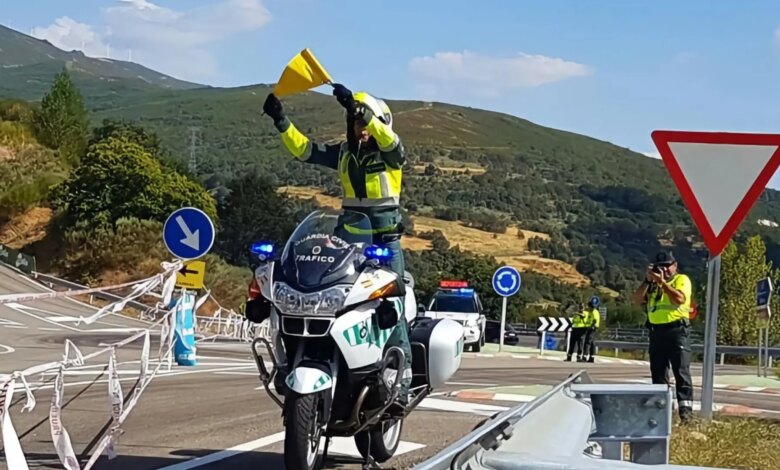
In Spain, motorcycle road patrols are a familiar sight, but few people consider what the colored flags that sometimes appear on their vehicles actually mean. This is especially true for the yellow flag: it’s not often seen, but if it does appear, this signal must not be ignored under any circumstances. Drivers who find themselves in such a situation often feel confused, unsure of the correct response. Yet your reaction can determine not only your own safety but also that of other road users.
The yellow flag is not just an accessory or part of the uniform. It’s an integral piece of a clear alert system used by Spanish road authorities to instantly inform drivers about potential hazards. Unlike familiar gestures or light signals, the flag is visible from afar and needs no additional explanation. But what exactly does it mean, and how should a driver respond upon seeing this sign?
In recent years, Spanish road authorities have increasingly reminded drivers of the importance of knowing and understanding the signals used by the Guardia Civil de Tráfico. This is particularly vital for those who frequently travel on highways or find themselves in complex traffic situations. Even experienced drivers sometimes forget that road rules are not just about signs and markings, but also special signals that can save lives.
Signals and Their Meaning
The Spanish Guardia Civil uses three main flag colors on their motorcycles: green, red, and yellow. Each color sends a clear and specific signal to drivers. A green flag means traffic is reopened after a temporary closure—for example, following an accident or roadwork. A red flag is a complete stop signal: the road is closed, vehicles are not allowed to proceed, and you must stop immediately.
The yellow flag is a special case. It is raised to warn of danger ahead: an accident, obstacle, roadwork, or any situation that requires extra caution. This is not an order to stop, but a strong recommendation to reduce speed, stay alert, and be prepared for unexpected events. Sometimes, the signal is accompanied by additional gestures—a raised hand means stop, while a hand moving up and down means slow down.
What drivers should do
If you see a yellow flag on a Guardia Civil motorcycle, your first action should be to immediately slow down. Do not try to overtake the patrol or ignore the signal—doing so could have dangerous consequences. Pay close attention to the road, watch for possible hazards, and be ready to brake suddenly.
Such signals often appear in areas where an accident has occurred or urgent roadwork is underway. Sometimes a patrol will escort a convoy of vehicles or warn of temporary changes in traffic organization. In any case, a yellow flag is no reason to panic—it’s a reminder to exercise extra caution.
Common Mistakes and Myths
Many drivers mistakenly believe that the yellow flag is just a formality or an insignificant signal. In reality, ignoring such a warning can result in a fine or even an accident. Online discussions frequently arise with the question: what should you do if a motorcycle officer displays a flag? The answer is always the same—be cautious and follow the instructions.
There are other misconceptions as well. For example, some think that a yellow flag signals the start of a sporting event or convoy. This is not the case: other signals and colors are used for such situations. Yellow always indicates danger and the need to stay alert.
Practical Tips
To avoid getting into trouble, it’s a good idea to learn the main signals used by Spain’s road services in advance. This is especially important for tourists and those renting a car. Keep in mind: ignorance of the rules does not exempt you from responsibility, and when it comes to flags, it can be very costly.
If you’re not sure of your actions, it’s better to play it safe: slow down, watch the road carefully, and stay prepared for anything unexpected. When in doubt, follow the lead of patrol officers and other drivers. The main thing is to stay vigilant and avoid acting at random.
RUSSPAIN reminds readers that the Guardia Civil is Spain’s national gendarmerie, responsible for road safety, enforcing traffic regulations, and responding to emergencies. The Tráfico division patrols highways and major roads, conducts preventive measures, and keeps drivers informed about potential hazards. Its officers undergo special training and regularly update their skills to ensure the country’s roads remain safe.