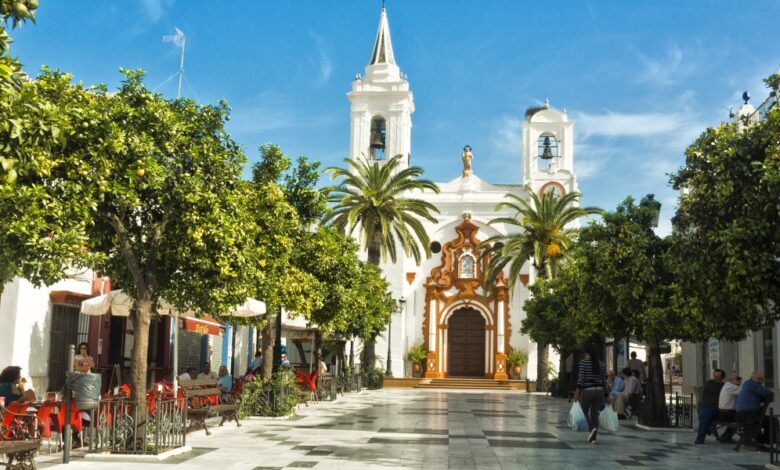
In Andalusia, where every corner breathes history and tradition, there is a place that stands out not only for its past but also for its vastness. We are talking about a city that holds the title of the largest in area in the province of Huelva and ranks among the twenty biggest municipalities in Spain. Its name is Almonte. Here, rural tranquility meets religious pilgrimages and boundless landscapes, where nature sets its own rules.
The size of Almonte is truly impressive: 861 square kilometers. That is larger than some European capitals. Within this territory, several worlds coexist—from the lively Matalascañas beach to the mystical village of El Rocío, which attracts thousands of pilgrims every year. Pine forests, agricultural fields, and part of the famous Doñana National Park, considered one of Spain’s greatest natural treasures, stretch along the city’s borders.
Vastness and contrasts
Almonte is more than just a large city on the map. Here, you can spend the morning in a bustling center full of life, and half an hour later find yourself in complete silence among dunes and marshes. Locals are used to such variety: in the morning, they might work in the fields or greenhouses, and in the evening relax on the beach or join traditional celebrations. Almonte is remarkable for blending rural serenity with tourist activity, especially in summer, when Matalascañas becomes a magnet for visitors from across the country.
However, despite its vast territory, the city’s population is not as large as one might expect. According to the latest data, just under 25,000 people will live here in 2025. This creates a unique atmosphere: spaciousness, no hustle and bustle, and the chance to be close to nature. Many choose Almonte for precisely this—a rare feeling of freedom and seclusion in Spain.
Life between the sea and the forest
Living in Almonte means constantly balancing tradition and modernity. The city’s economy relies largely on agriculture: strawberries, watermelons, olives, and grapes are all grown in local fields. But tourism and the service sector are just as important, especially during the summer months when the number of visitors multiplies. Schools, medical centers, shops, and cultural institutions operate in the city, making life here comfortable and vibrant.
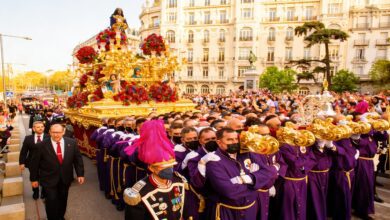
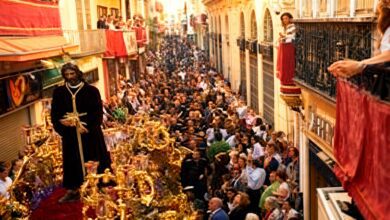
Religion plays a special role in the life of Almonte. The village of El Rocío is known throughout Spain for its grand romería—a pilgrimage that gathers tens of thousands of believers every year. During these days, the city is transformed: the streets fill with music, dances, and colorful costumes, and the atmosphere becomes truly festive. For many locals, taking part in these traditions is an essential part of their identity.
Giant neighbors
While Almonte holds the lead in terms of area, the province also boasts other cities with impressive sizes. For example, Aroche is one of the largest municipalities in the mountainous part of Huelva, where small villages are scattered among the hills and forests. Zufre, located further east, is known for its dense woods and rugged terrain. Puebla de Guzmán stands out for its vast pastures and mining traditions, while Gibraleón, situated near the provincial capital, plays an important role as a transport and economic hub.
Each of these towns is unique in its own way, but Almonte brings together several worlds at once: agriculture, tourism, religious traditions, and nature conservation. This makes it not only the largest, but also one of the most diverse municipalities in the region.
Where most people live
Interestingly, the largest city by area is not the most populated. In Huelva, the leader in population is Lepe, with more than 29,000 residents. This growth is driven by the active development of agriculture, trade, and tourism, especially along the Costa de la Luz. Lepe has become a real magnet for newcomers, setting it apart from the quieter and more spacious Almonte.
However, for many, it is precisely the combination of open spaces, nature, and tradition that makes Almonte a special place on the map of Spain. Here you can find what big cities often lack: tranquility, fresh air, and the chance to connect with the land.
If you didn’t know, Almonte is not only the largest municipality by area in the Huelva province, but also an important pilgrimage center thanks to the village of El Rocío. The town is renowned for its agricultural traditions, unique natural landscapes, and vibrant cultural life. Some of the country’s largest religious festivals take place here, and part of its territory is included in the Doñana National Park, a UNESCO World Heritage site. Almonte is considered one of Andalusia’s key towns, harmoniously blending history, nature, and modernity.