In recent years, Spain has been facing a severe shortage of affordable housing. Amid skyrocketing rent prices and a growing number of families in need of support, the government program for the construction of price-limited apartments (VPO) has virtually come to a halt. As a result, more and more Spaniards are being pushed out of the housing market.
In the 1980s and 1990s, VPO apartments were one of the main tools for making housing accessible to broad segments of the population. During that time, tens of thousands of such apartments entered the market each year, allowing many families to buy or rent homes at a fixed price, insulated from market fluctuations. However, the situation has changed: in 2024, only 14,371 VPO units were completed in Spain—an 80% drop compared to thirty years ago.
The reduction in VPO construction has coincided with an overall slowdown in the supply of new housing. Over the past three decades, the number of completed properties on the market has nearly halved. This has further deepened the imbalance between supply and demand, directly affecting the cost of renting and buying real estate. As a result, for many Spaniards, finding affordable housing has become nearly impossible.
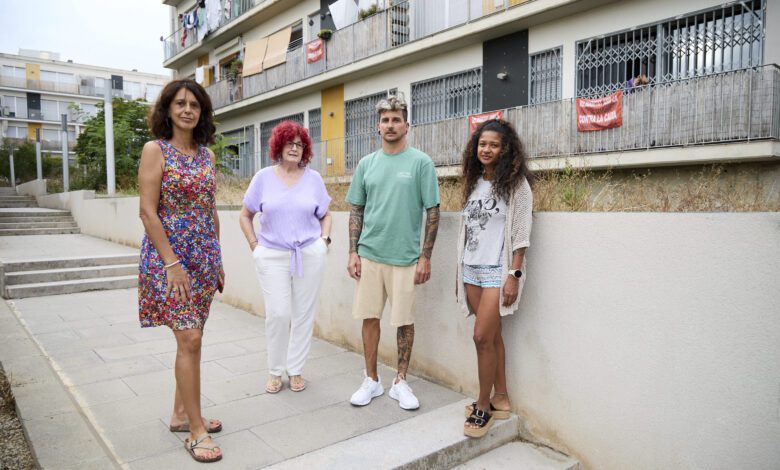
The peculiarity of VPO is that their protected status is limited in time: 10 to 30 years after commissioning, an apartment loses its protected status and its price becomes market-based. This means that even the few remaining affordable apartments are gradually disappearing from the market. In Catalonia, for example, dozens of families living in such buildings have launched a tenants’ strike, demanding the authorities preserve their apartments as affordable housing.
According to the latest data, in 2023, nearly half a million people were registered as applicants for VPO, while less than 9,000 new apartments were made available. In Catalonia, more than 200 people competed for each affordable unit. This situation is seen throughout the country, and is particularly acute in large cities and coastal areas, where demand for housing has traditionally been high.
The problem is exacerbated by the fact that even new VPO are becoming increasingly unaffordable. Over the past twenty years, the average price per square meter in such apartments has risen by 28%, and in some regions, the price of VPO already exceeds that of regular housing. In Seville, for example, new price-limited apartments are being sold for between 200,000 and 350,000 euros, prompting protests among local residents.
At the same time, the share of social housing in Spain remains one of the lowest in Europe—only 3.4% of all apartments are rented below market rates. By comparison, this figure exceeds 15% in France, Sweden, and the Netherlands. Despite political promises to build hundreds of thousands of new VPO units, the actual pace of construction remains insufficient to solve the housing crisis.
Public investment in affordable housing is also well below European standards. In recent years, annual support for the housing sector in Spain averaged just 34 euros per resident, while in France and Germany these amounts are several times higher.
For many Spaniards, VPO remains the only chance to own a home or rent an apartment at an affordable price. However, the decrease in available units and rising costs are making this opportunity increasingly out of reach. As a result, thousands of families are forced to seek alternatives—moving to less in-demand regions or renting rooms instead of separate apartments.
While the authorities discuss new support measures, the housing market situation continues to deteriorate. If this trend persists, affordable housing in Spain may become a true rarity, and the housing issue—one of the country’s main social challenges.