Spaniards have always been fascinated by stories of life beyond their homeland, especially when it comes to countries with harsh climates and unusual traditions. In recent years, more and more people in Spain have been considering moving to northern countries, hoping to find harmony and new opportunities there. However, the experiences of those who have already taken this step often turn out to be more complex than they seem at first glance. The story of Simone de Greff, a Dutchwoman who has lived in Iceland for thirteen years, has sparked discussion in Spanish circles: how realistic is it to adapt to life on an island where nature sets its own rules and solitude takes on unexpected shades?
A sharp change
Simone de Greff never planned any drastic changes. Her life in the Netherlands seemed stable: a marketing job, constant business trips, meetings with clients. But beneath the outward prosperity was a sense of emptiness. Endless flights, hotel stays, and negotiations gradually burned out her interest in the profession. At some point she realized that her usual routine no longer brought joy, and fatigue had become a constant companion.
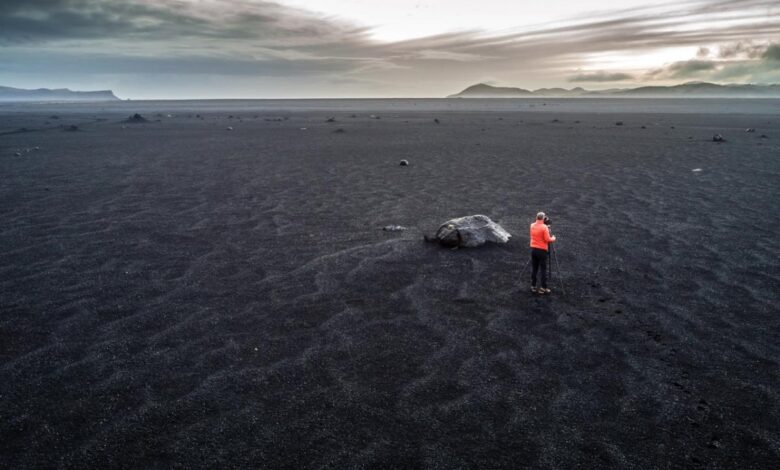
The decision to leave the corporate world was not an easy one. Simone chose to learn photography and try herself as a travel guide. Her first trips to Iceland were more of an experiment than a conscious choice for a new life. But it was the harsh Icelandic nature, she says, that changed everything. Mountains, volcanoes, endless expanses — all of this not only inspired her but also made her reconsider her usual views on comfort and solitude.
A new reality
Today, Simone calls Iceland her home. Her daily life is far from the standard existence of an expat: she accompanies tour groups, organizes routes, tells stories, and spends almost every night in a new hotel. She ironically calls this lifestyle an ‘outdoor game,’ since each day brings new experiences, and the weather conditions and group makeup make every journey unique.
Despite constantly being on the move, she has her own base — an apartment in Reykjavik and a house currently under renovation. In addition, Simone owns a summer residence two hours from the capital. For a long time she lived alone but never associated it with loneliness. According to her, everyone in Iceland knows each other, and shared friends are always around. This sense of closeness and support came as a surprising discovery.
Personal and daily life
Over time, Simone’s personal life also changed. She married an Icelander, a master electric guitar maker whom she met at a music festival. Together they spend a lot of time at their summer house in a secluded fjord, or set out on expeditions to the most remote corners of the country. However, as the years go by, such trips become more difficult and the sense of isolation grows stronger.
Not everything in her new life turned out to be perfect. Simone admits she misses familiar Dutch foods and the variety of shops. In Iceland, choices are limited, food prices are high, and the main staples are fish and lamb. That’s why she tries to return home at least twice a year to enjoy her favorite dishes and the atmosphere of European cities.
Living alongside volcanoes
Life on the island demands a special attitude toward natural phenomena. There are about thirty active volcanoes in Iceland, and the threat of eruptions is part of everyday reality. Simone takes it in stride: if you constantly think about potential disasters, it’s impossible to live here. She recalls how she once celebrated her birthday at the foot of a volcano—with champagne, sausages, and marshmallows. The heat was so intense it singed her eyebrows, but for the locals, it’s more of a funny story than a reason to panic.
Such stories spark keen interest among Spaniards, who are accustomed to a different pace of life and a different attitude toward danger. For many, moving to Iceland seems exotic, but Simona’s experience shows that beneath its apparent simplicity lies a whole world of compromises, unexpected joys, and difficult choices.