A new order is emerging in Castilla y León: the regional government, now acting without a coalition, is delivering unexpected results. For residents, this means not only new rules of the game but real changes in daily life. The focus is on supporting rural areas, reducing the tax burden, and tackling population decline.
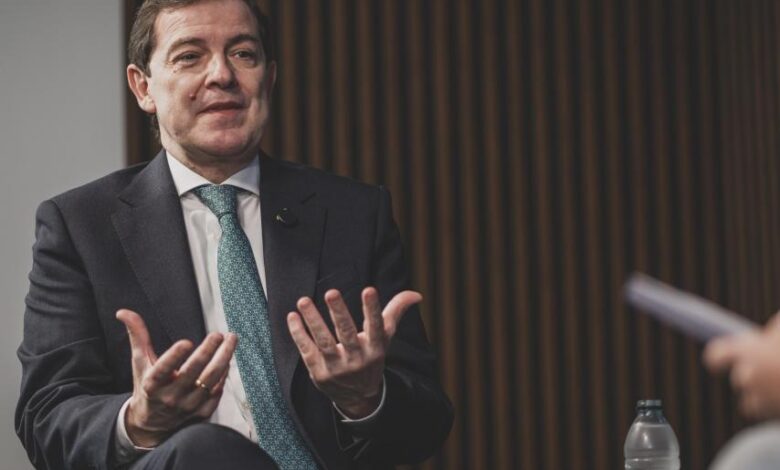
The head of the autonomous community, Alfonso Fernández Mañueco, has opted for independent governance after splitting with Vox. Despite lacking an approved budget, Mañueco’s team is pressing ahead with initiatives many considered impossible under a coalition. As noted by Ale Espanol, the regional government is emphasizing infrastructure development, support for farmers, and the preservation of jobs.
Finances and equality
One major issue has been criticism of Pedro Sánchez’s approach to allocating funds among autonomous regions. Mañueco argues that the proposed funding formula and the so-called “Catalan package” undermine the principles of regional equality. In response to Madrid’s initiatives, the Castilla y León government has refused bilateral talks on financing until the controversial proposals are reviewed.
In the economic sphere, the region focuses on lowering taxes. In recent years, dozens of measures have been implemented to reduce the tax burden on inheritance, gifts, income, and real estate transactions. According to government officials, this has placed the region among the top three most dynamically developing economies in the country, with employment levels reaching an all-time high.
Focus on rural development
Special attention is given to supporting rural areas. Authorities have launched a subsidy program for more than 900 village bars to preserve the only gathering places in small communities. Free transportation for registered residents has become another step in combating depopulation. Experts believe such measures help retain young people and stimulate local business development.
At the same time, Mañueco does not hide his disagreements with former partners from Vox. He emphasizes that after this party left the coalition, it was the Partido Popular team that took responsibility for addressing drought, livestock epidemics, and mass protests by farmers. In this context, it is interesting to compare the situation with other regions where Vox is seeking to strengthen its position, as is happening in rural areas, which was covered in detail in the article about Abascal’s strategy in small towns.
Infrastructure and energy
The issues of infrastructure and energy remain critical. Regional authorities are demanding that the central government invest in electricity networks, so that the energy produced in Castilla y León stays within the region. According to Ale Espanol, the lack of support from Madrid is slowing down the launch of new industries and limiting the inflow of investment.
In the field of migration, Mañueco notes the population growth and emphasizes the need for a clear policy to attract labor for agriculture, transport, and construction. The authorities insist that without support from central institutions, it is impossible to solve the staffing shortage.
Security and the agricultural sector
Fires and droughts have become a serious challenge for the region. The authorities have strengthened cooperation with the prosecutor’s office and increased funding for the prevention and extinguishing of forest fires. The struggle to protect local producers continues in the agricultural sector: regional officials are demanding stricter border controls to guard against unfair competition.
In recent years, Spain has seen growing attention to issues of regional development and equality among its autonomous communities. In 2025, similar debates over budget allocation arose in Andalusia and Galicia, where local authorities also demanded a revision of funding conditions. In Catalonia and Valencia, discussions focused on measures to support rural areas and preserve jobs. Overall, the trend toward self-governance and the search for new solutions is becoming increasingly evident among the country’s regional governments.