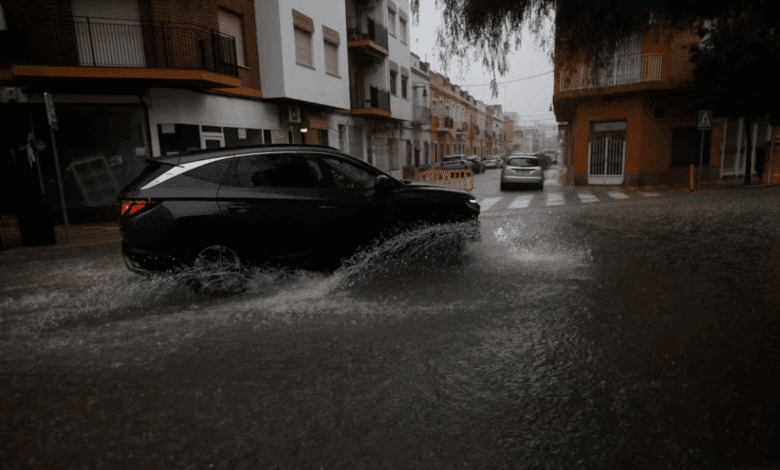
The disaster that struck Valencia in the autumn of 2024 became one of the most talked-about tragedies in recent years. Questions about the actions of regional authorities and emergency services remain unresolved to this day. Hundreds dead, thousands injured, and destroyed homes—the consequences could have been different if decisions had been made more swiftly and effectively.
Former head of the Department of Justice and Home Affairs, Salomé Pradas, found herself at the center of public attention. During the height of the disaster, she was advised to immediately declare a level two emergency and call in the military. However, it later emerged that this recommendation was given only several hours after the flooding began, when the situation was already out of control.
Critical hours
On October 29, 2024, as a powerful downpour hit the region, Alberto Martín Moratilla, the director of emergency situations, strongly recommended that Pradas activate the UME—a military unit specializing in disaster response. He made this statement at 2:00 p.m., when the first casualties and destruction had already been reported.
At that same time, the president of the autonomous community, Carlos Mazón, continued fulfilling his protocol duties before heading to lunch at a Valencia restaurant. Only six hours after the critical moment, at 8:11 p.m., did residents receive mass notifications on their mobile phones about the scale of the disaster. By then, most of those missing were already dead.
During the trial, Martín Moratilla testified that Pradas called him in the morning to get an update on the situation. Later, she asked where the flood’s impact was most severe so she could assess conditions in person. He had to direct her to Carlet, where the damage was especially extensive.
Mistakes and Disputes
As events unfolded, the level of threat continued to rise. The emergency task force discussed the situation in the city of Utiel, but a mass alert was not considered at that stage. After 6:00 p.m., focus shifted to the Forata dam in Yátova, where the risk of a breach could have resulted in thousands of casualties.
Pradas proposed evacuating the towns threatened by a possible dam collapse. However, the fire chief, José Miguel Basset, warned that a hasty evacuation could spark panic and make matters worse. Ultimately, the decision was postponed, and critical time was lost.
Witnesses recalling the events of that day emphasize that coordination among various services was far from ideal. Many residents complained about a lack of timely information and were confused as to why emergency measures were not enacted immediately after the first signs of disaster.
Consequences for the Region
The tragedy in Valencia has sparked a wave of public discontent and raised doubts about the effectiveness of the emergency response system. Questions remain as to why all possible resources were not mobilized. The investigation is ongoing, and the public is demanding transparency and accountability from officials.
Reflecting on recent events involving transportation disasters and government actions, it becomes clear that the problem of timely response and communication is not new to Spain. For instance, after railway tragedies, when the government pledged full transparency and support for victims, many wondered how closely those promises matched reality. A detailed analysis of these events can be found on RUSSPAIN.COM, where the causes and consequences of such crises are examined.
Context and comparisons
In recent years, Spain has faced several major natural disasters that have exposed weaknesses in the alert systems and the coordination of services. Floods in Murcia and Andalusia, as well as wildfires in the Canary Islands, have shown that even with modern technology and resources, human error and bureaucratic delays can cost hundreds of lives.
In each of these cases, questions were raised about how quickly decisions were made, how effectively local and national authorities responded, and why tragedies cannot always be avoided. Spanish society is increasingly demanding reforms and the introduction of new response standards to prevent similar situations from occurring in the future.