Valencia’s Fallas have long become not only a symbol of the city, but also a reflection of its social contrasts. For forty years, the main prizes for the best monuments have gone to the same large committees, while smaller groups are forced to find ways just to stay afloat. This situation affects the cultural life of neighborhoods and creates new divides within the city.
Two worlds of one tradition
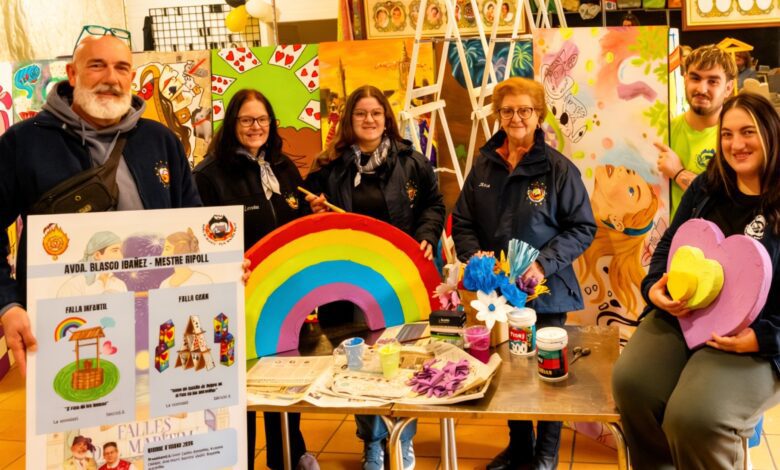
In the Algirós district, the Blasco Ibáñez-Mestre Ripoll committee is preparing the most modest monument of all 384 participants for burning. Their budget doesn’t reach the minimum threshold set by the Junta Central Fallera, so they cannot take part in the competition. All expenses are covered by contributions from 50 members, and materials are literally gathered piece by piece—from old planks to pallets found on the street. This year, the committee has neither a fallera mayor nor a president, and they collect flowers for the traditional ofrenda themselves. According to members, the lack of support from business and authorities makes their situation particularly vulnerable.
At the opposite end is Convento de Jerusalén-Matemático Marzál, this year’s winner in the Sección Especial. Their monument, Redimonis!, cost €260,000, and the committee includes 575 members, among them well-known entrepreneurs. Membership fees reach €1,000 per year, which makes it possible to compete for the top spot annually. In the past ten years, this committee has claimed first place seven times, and nineteen times in its history. Even the ‘cheapest’ work in the Sección Especial costs €107,000—an amount most other collectives cannot match.
Funding and social hierarchy
The city council funds up to 30% of monument costs, with the remainder covered by private funds. According to El Pais, this is what creates inequality: only large commissions with numerous and affluent members can afford to compete in the top category. Research by the Universitat de València highlights that Fallas was originally a people’s festival, but over time control shifted to the elite, who now use the festival to showcase status and influence.
The report notes that the criteria for joining commissions have changed: while proximity once determined membership, now the “fallero résumé”—experience and financial capacity—matters more. As a result, wealthy participants are concentrated in the same groups, while neighborhoods with fewer resources lose out on opportunities for success. This leads to a persistent cultural hierarchy, with centers and peripheries locked in place for decades.
Impact on the city and society
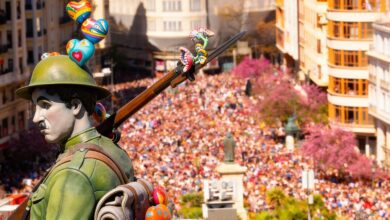
Fallas remains one of Spain’s most recognizable festivals and was recognized in 2016 by UNESCO as Intangible Cultural Heritage of Humanity. However, as the latest UNESCO convention report stresses, governments should ensure that such traditions promote social cohesion and counter discrimination based on class, ethnicity, and geography. In practice, however, researchers believe the festival is increasingly becoming an indicator of neighborhood social status and is reinforcing existing divisions.
In recent years, debates over the organization of the Fallas have intensified. According to RUSSPAIN, conflicts between residents, businesses, and organizers in central Valencia are growing sharper, reflecting on the rules for holding large-scale events. More details on the controversies surrounding the festival can be found in the article about how public festivities and commerce spark disputes among different groups in the city center.
Background and latest developments
In recent years, the Fallas have often become a topic of discussion due to increasing monument costs and changes in funding structures. After the festival was recognized by UNESCO, attention to the social aspects of the event has only grown. In both 2024 and 2025, there have already been cases in Valencia where smaller committees were forced to withdraw because of a lack of funds. Meanwhile, larger groups continue to increase their budgets, widening the divide between the city center and the outskirts. Similar trends are seen in other Spanish cities, where traditional festivals are turning into arenas for competition over resources and influence.