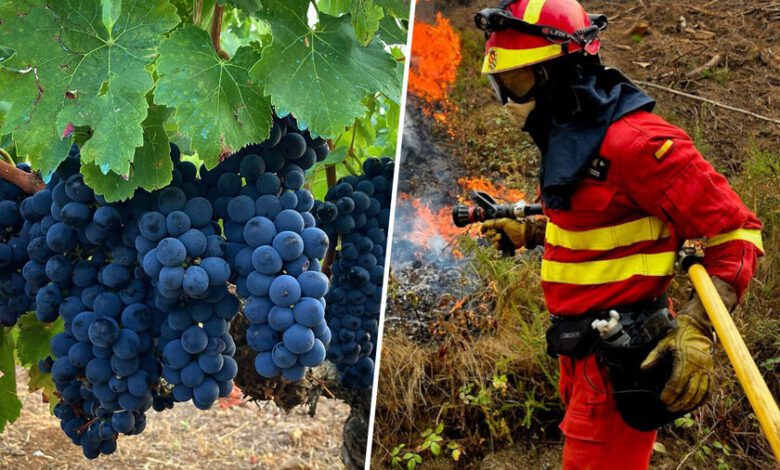
In August 2025, Spain faced one of the most severe waves of wildfires in recent years. The fires spread across various regions of the country, destroying more than 115,000 hectares of farmland and forests.
According to national agricultural associations, the preliminary damage to agriculture is already estimated at 600 million euros. However, experts note that this figure may rise as consequences are clarified and losses in affected areas are further assessed.
Beekeepers suffered especially heavy losses. The fires destroyed at least 10,000 hives, dealing a serious blow to the sector. Restoring apiaries will take years, and the decline in bee populations could have a negative impact on crop pollination and yields in the future.
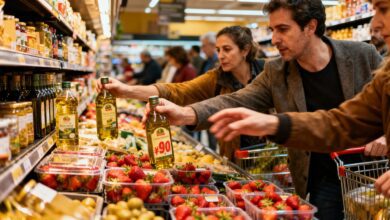
Livestock farming has also been hit hard. The disaster destroyed thousands of hectares of pasture, leading to a feed shortage for livestock in the coming months. Farmers are having to look for alternative feed sources for their animals, which will drive up costs and could affect meat and dairy prices.
The fires have affected not only agriculture but also the country’s ecosystem. Burned forests and fields require long-term recovery, and the effects on biodiversity and soil may be felt for many years to come.
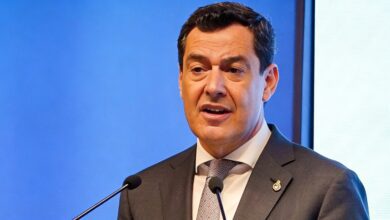
The Spanish authorities have already announced support measures for affected farmers and beekeepers. Additional funds are expected to be allocated in the near future to restore operations and compensate for losses. However, experts warn that full recovery will require not only financial assistance but also long-term programs to prevent similar disasters in the future.
The situation with wildfires in Spain remains tense. Meteorologists note that dry weather and high temperatures are increasing the risk of new outbreaks. Authorities are urging residents and agricultural workers to take precautions and be prepared for potential emergencies.
The wildfires of 2025 have already become some of the most destructive in the past decade. Their consequences will continue to affect the economy and life of the country’s rural regions for a long time to come.