Tensions are rising in Spanish politics: Yolanda Díaz’s refusal to attend two prominent events has sent a clear signal to all those following the fate of the left. At a time when forging new alliances and seeking fresh ideas is especially crucial, such decisions can shift the balance of power and shape the future of the entire progressive movement. For many Spaniards, this is more than just a matter of personalities—it’s a real challenge for parties seeking renewal and unity.
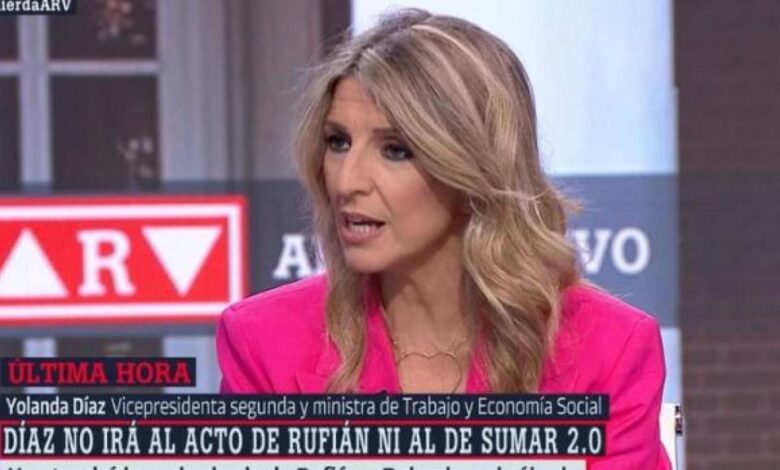
Díaz, who serves as Deputy Prime Minister and is regarded as one of the key figures among the left, unexpectedly announced she would not attend either the Sumar coalition relaunch or the meeting with Gabriel Rufián and Emilio Delgado. According to her, this is the moment when political groups must define their own strategies, rather than individual leaders. Her decision sparked a strong reaction among both supporters and opponents, as many had expected Díaz to become the face of a new chapter in the left-wing movement.
Internal disagreements
The question of whether Díaz will run again remains unanswered. She emphasizes that the project to unite the left should not revolve around personalities, but should be based on ideas and concrete proposals. In an interview, she noted that it is important now to give parties time to make decisions so that progressive voters can have hope for change. Not everyone welcomed this approach: some politicians and activists believe that without a charismatic leader, the movement risks losing its influence.
Criticism of Díaz is growing louder. Former allies such as Pablo Iglesias and Antonio Maíllo openly call for a change in leadership and even describe the Sumar project as outdated. Díaz, for her part, avoids public arguments but insists that politics is not a battle of personalities, but a contest of ideas. She urges her opponents not to stop at criticism but to offer their own solutions.
Response to pressure
Responding to accusations of inefficiency and calls to step down, Díaz recalled her achievements as Minister of Labor. She stressed that she has always worked to improve conditions for workers and is not willing to discuss the details of political tools. In her view, it is important now not to be distracted by internal conflicts, but to focus on finding ways to unite the left.
Díaz’s refusal to participate in key events has sparked new discussions about the future of the Sumar coalition. Some believe this could weaken the left’s position, while others argue it offers a chance for new faces and ideas to take center stage. In any case, the situation remains uncertain, and decisions made in the coming weeks could have a lasting impact on the country’s political landscape.
Context and consequences
In recent years, Spanish politics has repeatedly faced crises within left-wing coalitions. Such disagreements have already led to leadership changes and the emergence of new party projects. For example, after a number of prominent figures left Unidas Podemos, new alliances appeared on the political scene, trying to fill the vacant space. Each time, these changes were accompanied by lively debates and a search for balance between personalities and programs. The current situation once again highlights the fragility of stability on the left, where any change could mark the beginning of a new chapter for the entire country.