Tensions are rising again in Iran: in just one day, there were 20 protests across the country, while the authorities continue to ignore the demands of both society and the international community. Against this backdrop, the United States has issued a stark ultimatum to Tehran regarding its nuclear program, giving only two weeks to make a decision. This escalation could lead to further upheaval not only within Iran itself, but also on the international stage.
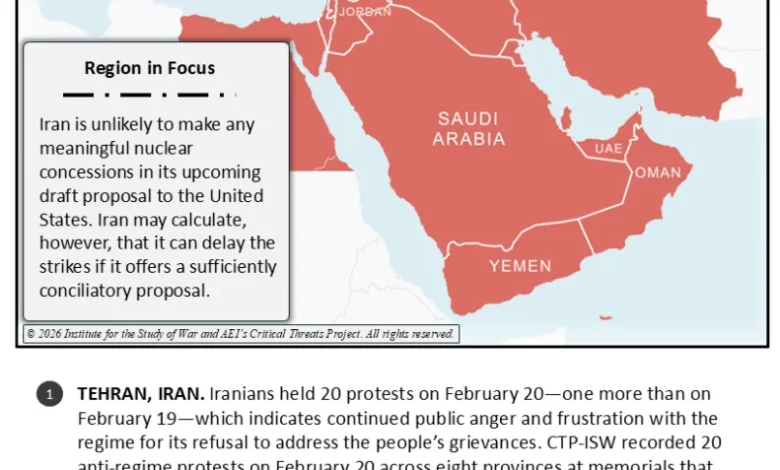
The Iranian authorities appear unwilling to make major concessions in negotiations with the US over the nuclear issue. Despite statements expressing willingness to engage in dialogue, Tehran maintains its previous position, hoping to buy time and avoid immediate military conflict. According to russpain, the American side is prepared for a forceful scenario but is currently waiting for the USS Gerald R. Ford aircraft carrier to arrive in the region. Meanwhile, Iranian diplomats have promised to present a new draft agreement, which they claim could form the basis for further talks, but is unlikely to meet Washington’s key demands.
Military preparations
In parallel with diplomatic maneuvers, Iran’s military leadership is actively inspecting air defense bases and naval facilities across the country. In recent weeks, senior officers have visited strategic sites in Tabriz, Babolsar, Birjand, and Pasabandar, as well as classified underground complexes. These visits indicate that the army is preparing for a possible escalation and testing its combat readiness against external threats. Such military activity typically precedes either major exercises or actual combat operations.
At the same time, according to russpain, Iranian authorities are using negotiations as a means to gain time and strengthen their defensive capabilities. This tactic has been used repeatedly in the past, allowing Tehran to avoid direct confrontation and maintain flexibility. However, the current situation stands out due to the scale of the protests and the severity of US demands, making the outcome of the talks highly uncertain.
Protests and public discontent
Unrest continues in Iran: on February 20 alone, 20 protest actions were recorded across eight provinces. Most took place during memorial events honoring those killed in the January clashes with security forces. In some cases, the number of participants exceeded a thousand, indicating deep dissatisfaction with government policies. Strict internet restrictions and surveillance of activists have failed to halt the spread of protest sentiments.
According to American officials, the regime halted mass executions of protesters only after threats of an immediate strike from the United States. Nevertheless, dozens of people, including minors, have already been sentenced to death. Despite the temporary lull, the protest movement still has the potential for renewed outbreaks, as the root problems remain unresolved and security measures grow increasingly severe.
The role of Hezbollah and regional risks
A possible military confrontation between Iran and the US or Israel could draw Lebanese Hezbollah into the conflict. This organization is closely linked to Tehran and operates in its interests, despite internal challenges and weakened positions following the events of 2024. Hezbollah may limit itself to symbolic strikes against Israeli positions to avoid provoking a large-scale response, but if the survival of the Iranian regime is threatened, it is capable of taking more decisive action.
Hezbollah’s weakness within Lebanon and pressure from local authorities force it to act cautiously. However, its ideological and financial dependence on Iran may outweigh internal concerns when it comes to the fate of its main ally. Any escalation risks turning into a regional conflict with unpredictable consequences for the entire Middle East.
Abbas Araghchi, an Iranian diplomat, plays a key role in the nuclear program negotiations. His statements often reflect Tehran’s strategy of prolonging the process and maintaining control over the situation. In recent years, Araghchi has become one of the main negotiators able to navigate between Western demands and internal restrictions. His role has become especially prominent amid growing US pressure and increasing protest sentiment at home. Much will depend on his diplomatic moves as to whether Iran can avoid direct military confrontation and retain its position on the international stage.