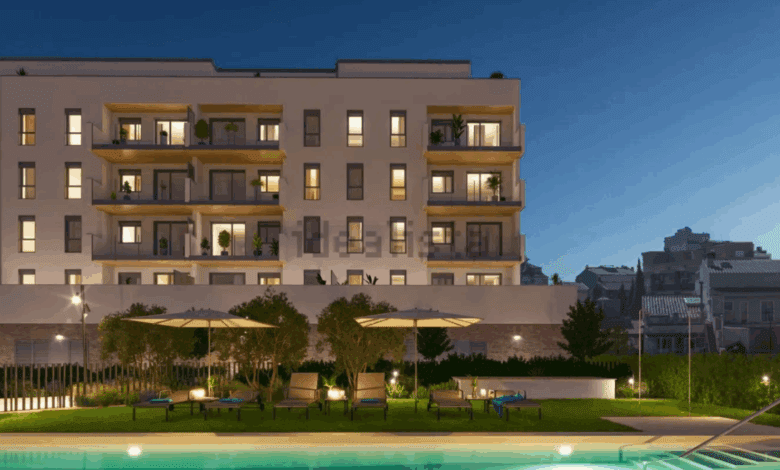
A New Era in Construction: Timber and Industrialization
In 2025, Spain’s real estate market saw an unexpected turn as major developers began broadly adopting innovative approaches to residential construction. Culmia, known for its large-scale projects, unveiled Mar de Calonge—a residential complex built entirely using industrialized timber. This move was more than just an experiment; it signaled a potential paradigm shift in the construction industry.
Using wood as the primary structural material has delivered impressive results. Experts estimate that CO2 emissions during the construction of such buildings are reduced by nearly 70% compared to traditional methods. In addition, residents benefit not only from an environmentally friendly living space but also a more comfortable one: these homes maintain a stable temperature and have noticeably lower noise levels.
Technologies and Standards: How the Approach to Construction Is Changing
At the core of this new project lies a blend of digital tools and modern production processes. Culmia is actively implementing BIM modeling and lean construction principles, allowing them to oversee every stage—from design to assembly. As a result, projects are delivered faster with greater precision.
Special attention is paid to material selection. For Mar de Calonge, CLT (cross-laminated timber) panels were used, known for their high strength and durability. All wood is certified according to international PEFC and FSC standards, guaranteeing its environmental sustainability and responsible forest management. This approach has already attracted interest from investors and buyers, who are increasingly opting for homes with a low carbon footprint.
Benefits for residents and investors
The switch to industrialized construction methods cut the project completion time by about a third. This not only accelerates the delivery of housing, but also reduces construction costs at the initial stage. As a result, the final price of apartments remains competitive, even with higher material costs.
Other factors also matter for future residents: homes built with this new technology offer excellent insulation, eliminate thermal bridges, and feature more efficient ventilation and heating systems. Mar de Calonge features aerothermal systems and solar panels, allowing the complex to achieve the highest AA energy rating and the prestigious VERDE environmental certification.
In-house standards and future plans
Culmia has developed its own Jade and Cuarzo standards, which cover not only energy efficiency but also air quality, lighting, acoustics, and the use of health-safe materials. These criteria are much stricter than current legal requirements and are already becoming a benchmark for other market players.
In the coming years, Culmia plans to expand wooden construction practices across Catalonia and the Balearic Islands. The company is confident that, despite higher production costs, shorter timeframes and process optimization will make such projects mainstream. In the long term, this will lead to lower prices and greater availability of eco-friendly housing for a wider audience.
Market Trends: What’s Next for Spanish Construction
Experts note that demand for healthy and energy-efficient housing in Spain continues to grow. Buyers are increasingly paying attention to indoor climate quality, noise levels, and the eco-friendliness of materials. In response, developers are adopting new technologies, using renewable energy sources, and moving towards digital project management.
In the coming years, industrialization, decarbonization, and digitalization will become key directions for the industry’s development. The share of wooden homes on the market is expected to increase, while sustainable building standards will become mandatory for all new projects.
As RUSSPAIN previously reported
Culmia is one of the leading players in Spain’s residential real estate market. In recent years, the developer has completed over 120 projects across the country, including in Catalonia, Madrid, and Andalusia. Culmia is known for its focus on innovation and sustainability, offering both large-scale urban neighborhoods and exclusive boutique complexes. In 2024, the brand became a frontrunner in embracing digital technologies in construction and received several awards for its environmental initiatives. The company’s management is actively supporting the transition to a low-carbon economy and collaborates with top European architects and engineers. Upcoming plans include expanding operations in the Balearic Islands and launching new projects that prioritize energy efficiency and comfort. Culmia continues to set benchmarks for modern housing, driven by commitment to quality, innovation, and environmental responsibility.