This year, the Spanish monarchy has been thrust into the spotlight not only due to growing interest in King Felipe himself, but also because of a series of events capable of shifting the balance of power within the royal family. The monarch’s 58th birthday coincided with a time when his authority and popularity among Spaniards reached their highest point in recent years. However, behind the calm exterior lie complex family issues and strategic decisions that could influence the future of the dynasty.
In recent months, Felipe VI has displayed unprecedented activity: his schedule is filled with official engagements, and international media note his composure and elegance. The Spanish king has become the hardest-working monarch in Europe, surpassing his peers from other royal households in the number of working days. Yet behind the façade of a successful leader is a man who must balance state duties with personal concerns.
Family ties
Felipe’s mother, Queen Sofía, holds a special place in his life. After the recent family losses—the deaths of his sister Irene and cousin Tatiana—the bond between mother and son has grown even stronger. The king openly shows his care for Sofía, who, despite her advanced age, maintains remarkable resilience. Public acts of support and recognition, such as the awarding of the nation’s highest honor to her, have become a symbol of unity and continuity within the royal family.
Despite her personal losses, Sofia remains actively involved in the life of the dynasty. Her presence at official events and family gatherings underscores the importance of tradition and family values for the Spanish monarchy. At the same time, the queen’s emotional state does not go unnoticed: Felipe and his daughters strive to surround her with care to soften the impact of these difficult losses.
Leonor’s Future
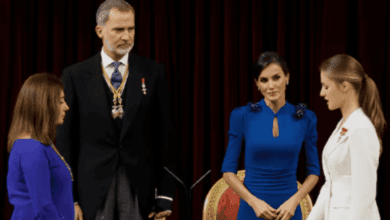
The spotlight is also on the heir to the throne — Princess Leonor. As she completes her military training, she faces a choice that will shape her future path. Soon, Leonor will need to decide about her higher education, and the discussion of possible options is already drawing interest not only in Spain, but abroad as well. Among the most likely directions are prestigious international universities, including the very one where Felipe himself once studied.
This choice will be more than just a personal step for Leonor; it will serve as an important signal to society: what will the new generation of Spanish monarchs be like, and how ready are they for change and the challenges of the present day? Questions about the role of women in the royal family, the modernization of traditions, and the future of the monarchy itself are becoming ever more relevant as these changes approach.
Trials for the Crown
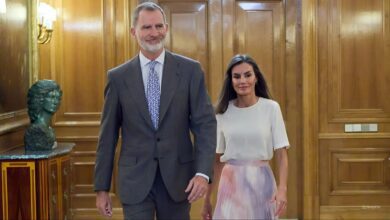
In 2026, Felipe VI and his wife Letizia are tasked not only with maintaining but also strengthening public trust in the monarchy. Following a series of scandals involving previous generations, the current royal couple is focusing on transparency, openness, and teamwork. Their public appearances together, as well as displays of warmth and mutual support, are going viral on social media and earning approval from citizens.
However, behind this outward harmony, there are challenges: the publication of the former king’s memoirs, ongoing debates about the monarchy’s role in modern society, and the need to respond to tragic events such as the recent railway disaster all require Felipe and Letizia to exercise utmost composure and diplomacy. Every step they take is closely scrutinized, and any misstep can spark new debates about the future of the crown.
Personal and official life
Finding a balance between personal life and official duties has become a real challenge for Felipe. On the one hand, he aims to set an example for his daughters and support his mother through difficult times. On the other hand, his duty to the country demands constant involvement and tough decision-making. In this context, even seemingly private moments—like going to the movies with his wife—take on symbolic meaning, highlighting the family’s unity and cohesion.
In the coming months, the royal family will face new challenges: from the need to adapt to evolving public expectations to issues related to the future of the heir. Spanish society is closely following every step of the monarch, looking to him not only for stability but also for readiness to embrace change.
King Felipe VI embodies both tradition and a drive for renewal. Born in 1968, he has become a symbol of a new era for Spain, taking responsibility for modernizing the monarchy and strengthening its role in society. His personal life, his relationships with his mother Sofía and his daughter Leonor, as well as his ability to cope with adversity, have made him one of the most respected figures in contemporary Europe. Ahead for the king and his family are new decisions that will shape the future of the Spanish crown.