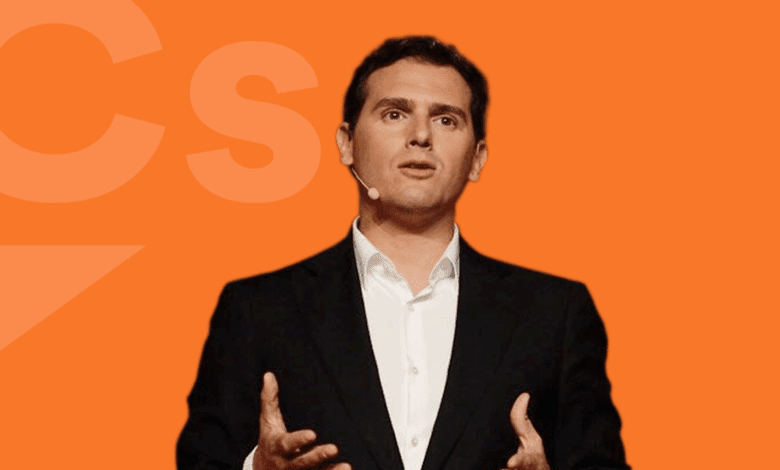
Spain is still gripped by a heated debate over housing affordability, with former Ciudadanos leader Albert Rivera once again in the spotlight. In a recent interview, he sharply criticized tax policies that he says artificially inflate the cost of apartments and houses. According to Rivera, it is the fiscal burden that has become the main obstacle for millions of Spaniards dreaming of owning a home.
According to the politician, the government has turned the real estate market into an endless source of revenue. Every stage of the process—from buying land to handling paperwork—comes with a series of fees and taxes. As a result, a significant portion of what buyers pay goes to the state treasury, not to the seller or developer.
The fiscal trap
Rivera points out that many citizens have no idea how large a share of a property’s price is made up by taxes. He estimates that between 25% and 33% of the cost of housing consists of various charges: ITP, IVA, taxes on legal acts, municipal fees, and licenses. This payment chain, according to the former politician, has made homeownership almost unattainable for the middle class.
He stresses that officials at all levels have grown accustomed to a steady stream of revenue from real estate transactions. That’s why, Rivera believes, none of the administrations are eager to rethink the current system. “Officials are content: the budget gets filled, while citizens’ problems are ignored,” he quips.
Middle class under pressure
Rivera pays special attention to the situation of people with average incomes. According to him, even those earning a median salary face insurmountable obstacles when trying to buy their own home. Existing benefits, in his view, are so limited that they are practically ineffective.
He proposes a radical reduction in taxes on first-time home purchases and the introduction of a reduced VAT rate for real estate transactions, to ease the burden on families. “If housing is a basic necessity, why not apply the same tax breaks to it as to essential goods?” Rivera asks.
Quick solutions
Unlike long-term urban planning reforms, tax cuts, according to Rivera, can deliver immediate results. He is confident that if the fiscal burden is reduced by at least 20%, housing prices will drop the very next day. His proposals include reducing ITP, eliminating or decreasing the tax on legal acts, temporarily introducing a super-reduced VAT, and scrapping duplicate fees.
Rivera believes these measures would not only make it easier to purchase apartments, but would also encourage owners to rent out or sell their properties, increasing supply on the market. In his view, this would help balance supply and demand and reduce social tensions.
A complex combination of factors
However, according to the former politician, taxation is only one piece of a complex puzzle. He points to rapid population growth, investor activity, slow urban development processes, and ineffective government measures that only make matters worse. On top of this, there is legal uncertainty related to illegal occupation of housing.
Rivera warns: unless urgent measures are taken, Spain will face a ‘perfect storm’ in the real estate market. He calls for a national agreement that would truly address the problems, not just result in lofty statements. Most importantly, he believes tax policy needs to be reconsidered.
Innovation and technology
As an alternative to traditional construction, Rivera suggests focusing on industrialization and the adoption of new technologies. He speaks about the possibility of building homes in just a few weeks, using eco-friendly materials, and organizing competitions where speed, not just cost, is the key criterion.
He also notes that the development of autonomous transport could reshape connections between cities and suburbs, opening up new opportunities for housing and infrastructure.
Economy and income
During the conversation, Rivera also addresses the overall economic situation. He notes that despite GDP growth, real incomes are not keeping pace with inflation. According to him, the economic upturn is felt only at the macro level, while most Spaniards continue to face rising prices and stagnant wages.
He also expresses concern about the level of public debt and warns of possible social unrest unless deep reforms are implemented.
Incidentally, Albert Rivera is the former leader of the Ciudadanos party, who, after leaving politics, turned to consulting and educational projects. In recent years, he has been actively involved in public debates on the economy and real estate market. His speeches often draw widespread attention, and his proposals for tax system reform are supported by some experts and entrepreneurs.