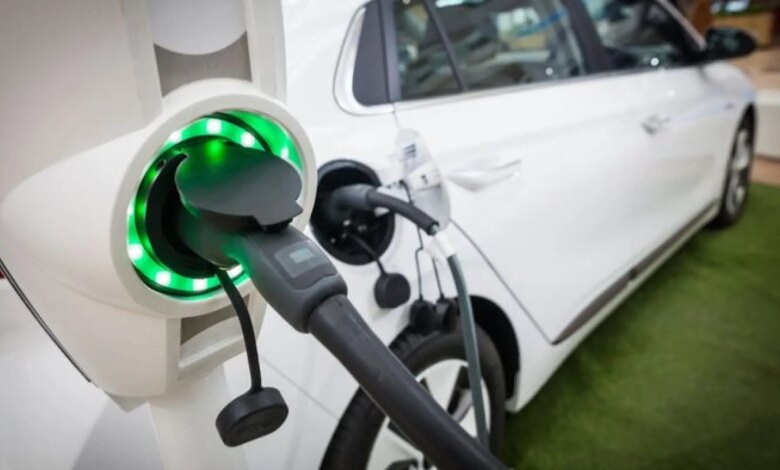
In recent years, Spain has seen a steady increase in interest in electric and hybrid vehicles. According to ANFAC, by the end of 2024, 1.6% of cars on the country’s roads were equipped with electric or hybrid powertrains. Despite this positive trend, the figure still falls far short of the 40% already being discussed in some European countries, such as Norway.
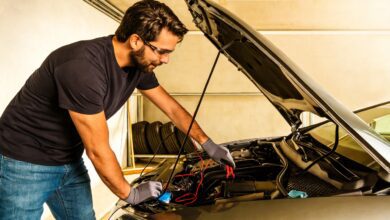
If the share of electrified vehicles approaches 40% in the future, it will lead to significant changes in the market. First and foremost, there will be a mass closure of traditional gas stations as demand for gasoline and diesel declines sharply. In addition, service centers specializing in the repair of internal combustion engines will also be forced to scale back their operations. Electric vehicles require 60% less maintenance: they do not need oil changes or spark plug replacements, reducing the need for traditional auto service offerings.
Another consequence could be a potential shortage of spare parts for internal combustion engine vehicles. As their numbers dwindle on the roads, manufacturers and suppliers are expected to reduce the production of components. Experts also forecast an increase in insurance policy costs for electric vehicle owners, due to the specifics of repairs and pricing for new technologies.
However, such changes will primarily affect countries where the transition to eco-friendly transport is happening more rapidly. In Spain, the process is progressing gradually. In 2024, 125,185 new electrified vehicles were registered, accounting for 11.4% of total sales. At the same time, compared to the previous year, there was a slight decrease of 0.4%. Of all new electric vehicles, 65,478 were fully electric models, while 59,707 were plug-in hybrids.
The outlook for 2025 is even more optimistic. In the first eight months of the year, sales of electrified vehicles have already exceeded 150,000 units, indicating that a new annual record is likely. In August alone, 16,085 units were registered: 7,786 of these were fully electric cars, and 8,299 were plug-in hybrids.
Thus, Spain is gradually increasing the share of environmentally friendly vehicles, though it still lags behind the European leaders. Changes in the vehicle fleet structure are already beginning to impact related industries, and these processes are set to accelerate in the coming years.