Car owners dreaming of forgetting about repairs for years have long known: there are engines that are nearly impossible to ‘kill.’ These engines are valued not only for their reliability but also for their ability to retain performance even after hundreds of thousands of kilometers on the road. On the used car market, such vehicles are snapped up instantly, and their engines become true legends among enthusiasts.
In 2026, Japanese and German manufacturers once again topped the list of the most durable engines. Some of these units can cover distances equal to a round trip from Madrid to Vladivostok without a major overhaul. What’s the secret behind their longevity, and why are owners in no hurry to part with these cars?
Japanese classics
Japanese brands have long been associated with reliability, but certain engines have become truly iconic. One of them is the 2JZ-GTE from Toyota. This three-liter, six-cylinder, twin-turbocharged engine made a name for itself in the Supra MK4 sports coupe. Its cast-iron construction and immense durability allow it to handle extreme loads and easily endure tuning. Owners of this engine have nothing to worry about when it comes to longevity: 500,000 kilometers isn’t the limit—it’s the norm.
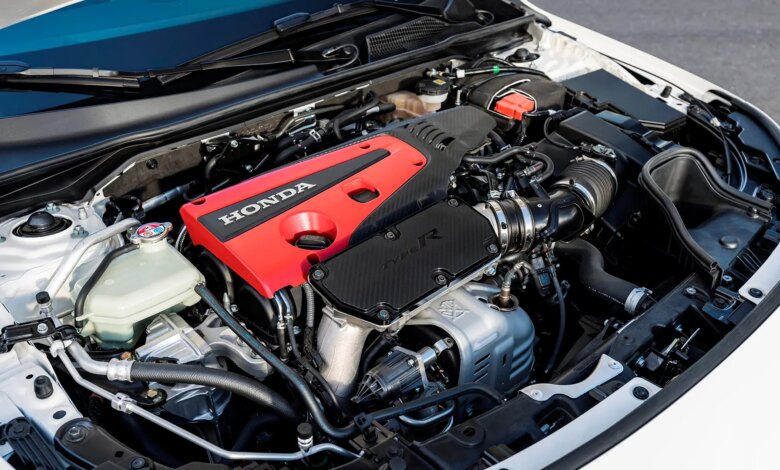
Honda keeps pace with its K20 engine. This two-liter unit with a VTEC system was installed in the Civic Type R and other popular models. Drivers point out its minimal maintenance requirements and low repair costs. Even after 400,000 kilometers, the engine maintains excellent performance and does not require significant investment. Once again, Japanese engineers have proved that simplicity and technology can go hand in hand.
German endurance
European manufacturers also have not stood aside. The Mercedes-Benz OM617 is a diesel five-cylinder engine featured in the legendary W123 and W126. Some examples of this engine have covered a million kilometers without losing their performance. Its design ensures decades of use, while easy maintenance makes the OM617 popular among taxi drivers and long-haul truckers worldwide.
BMW has also contributed to the list of indestructible engines. The M57 is a straight-six diesel found in 3 and 5 Series models as well as the X5. Its cast iron engine block and well-designed cooling system allow this engine to cover half a million kilometers without major issues. The only condition is regular maintenance — otherwise, even the most durable engine won’t withstand the strain.
A legend without electronics
Another Japanese engine that has earned respect is the Toyota 1HZ. This naturally aspirated 4.2-liter diesel is installed in Land Cruiser SUVs, renowned for their ability to operate in the harshest conditions. The lack of complicated electronics, an efficient cooling system, and a straightforward design make the 1HZ an ideal choice for those who value reliability above all else.
A Land Cruiser with this engine can cross deserts, mountain passes, and tropical downpours without requiring special maintenance. Drivers note that even after decades of use, the engine maintains stable performance, and its servicing costs remain affordable.
Used car market
Demand for vehicles with these engines remains consistently high on the used market. Buyers are willing to pay extra for peace of mind, knowing the engine won’t let them down at the worst possible moment. Models with a transparent service history and original parts are especially valued.
Experts point out that such engines often attract collectors and enthusiasts seeking a base for tuning or long-term use. In Spain, where climate conditions can be quite harsh, engine reliability is not just an advantage but a necessity.
Technology and tradition
The secret to these engines’ success lies in the blend of engineering innovation and tradition. The Japanese focus on simplicity and high-quality materials, while the Germans emphasize precision and durability. The result is power units that withstand the test of time and mileage.
Modern cars are becoming increasingly complex, yet time-tested engines remain in high demand. Owners of such vehicles rarely consider selling them: finding a worthy replacement is not easy, and new models often fall short in terms of reliability.
By 2026, interest in these engines only continues to grow. With rising maintenance and spare parts costs, buyers are turning more often to reliable solutions that won’t let them down—even in the toughest conditions. While some chase after innovations, others value enduring qualities.
Toyota has long held a leading position in the global automotive industry, especially in the segment of reliable and durable vehicles. The 2JZ-GTE and 1HZ engines have become brand hallmarks, celebrated not only in Japan but far beyond. Their design combines simplicity, strength, and advanced technology, allowing Toyota cars to remain in high demand on the used market, even decades later. In Spain, vehicles with these engines are especially prized since they can withstand any challenge, whether it’s the scorching heat of Andalusia or the mountain roads of Catalonia.