Murcia’s real estate market is experiencing a true boom: by the end of December 2025, the average price per square meter in the regional capital reached €1,539. Over the past month, prices rose by 1.5%, and in the last quarter alone, they jumped an impressive 6.6%. Compared to the end of 2024, housing in Murcia has become 12.3% more expensive. These growth rates are surprising even for the most seasoned market experts.
Yet despite such impressive momentum, Murcia remains one of the most affordable major cities in Spain. For comparison, the national average stands at €2,639 per square meter—almost one and a half times higher than in the capital of the namesake region. However, the gap is gradually closing: Murcia is steadily catching up with national figures, and this trend no longer seems accidental.
District contrasts
Within the city, the difference between neighborhoods is striking. In prestigious areas such as Santa Catalina–San Bartolomé and San Miguel, the price per square meter has already surpassed €3,100. In San Miguel, property prices soared by 24% over the past year, while Santa Catalina saw a 13.4% rise. Even in Baños y Mendigo, despite a slight decrease, prices remain above €3,000.
At the same time, in areas like Javalí Nuevo or La Paz, the price per square meter is less than 800 euros. Javalí Nuevo even recorded a price drop of 8.3% over the past year. In contrast, La Paz saw an increase of 10%. The difference between the most expensive and the cheapest neighborhood exceeds 2,400 euros per square meter—a stark divide that highlights the city’s socioeconomic contrasts.
Hotspots
Special attention should be paid to districts where prices are rising especially fast. In suburbs like Jerónimo y Avileses, there has been a record surge of 42.3% in a year. In Churra, property values rose by 27.1%. These figures suggest that interest in living outside central Murcia is growing, and investors are increasingly eyeing locations that were previously undervalued.
In central neighborhoods such as Juan Carlos I and La Flota, prices continue to rise, although less dramatically: up 3.2% and 7.6% respectively. Some upscale districts, on the other hand, are experiencing modest corrections after rapid growth in recent years. This indicates that the market is gradually finding balance, though true stability is still a way off.
Affordability and expectations
Despite the overall price increase, Murcia remains relatively affordable for buyers. In districts like Los Ramos and Llano de Brujas, the price per square meter is under 900 euros, while in Torreagüera it is just above that mark. For many families, this is a chance to buy their own home without having to move out of the city.
However, experts warn that if the current growth rate continues, the gap between Murcia and the rest of Spain could narrow even further. Many are already considering whether now is the right time to sell their property before prices reach their peak. On the other hand, buyers fear missing their last chance to purchase an apartment at a relatively low price.
Valuation tools
For those who want to know the real value of their apartment, there are special online services that provide an estimate in just a few minutes. In a rapidly changing market, these tools are becoming increasingly popular. Property owners in Murcia are more and more interested in how much the value of their homes has increased over the past year.
While some neighborhoods are breaking price growth records, others remain stable or are even becoming cheaper. This creates a unique situation where in the same city you can find both luxury apartments priced similarly to those in the capital and quite affordable options for middle-class buyers. The only question is how long this divergent trend will last.
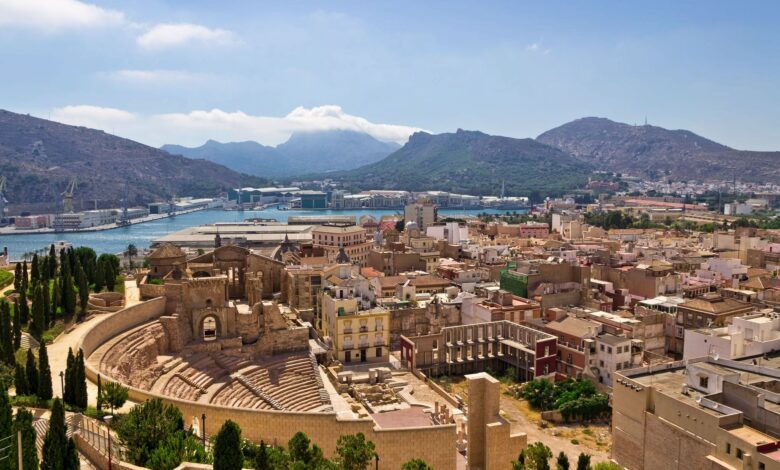
In case you didn’t know, Murcia is one of the largest cities in southeastern Spain, renowned for its mild climate and developed infrastructure. The city is actively growing, attracting new residents and investors. In recent years, Murcia has become a popular destination for those seeking a balance between quality of life and affordable housing. Here, historic districts blend with modern residential complexes and green spaces, making the city attractive to a wide range of buyers.