In 2024, more than 5.4 million administrative citations were issued on Spain’s intercity roads. This figure is 5.14% higher than the previous year. The data covers all autonomous communities, except for certain regions where oversight is handled by other agencies.
According to a report by Automovilistas Europeos Asociados, the total amount collected from these infractions reached almost €540 million. This is an all-time record for the country: the previous peak, recorded in 2022, was about €33 million lower.
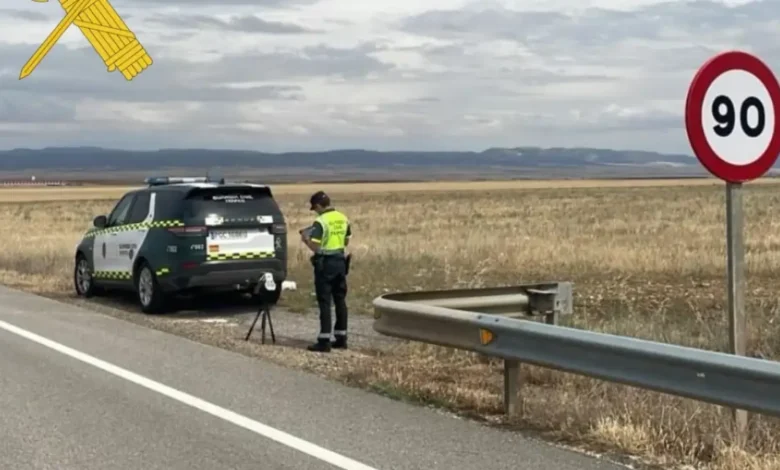
The most common offence was speeding, with more than 3.4 million cases documented. Of these, over 2.3 million violations were detected by fixed and local radars, while more than a million were registered by mobile units. The number of speeding fines issued using mobile enforcement devices rose by 22.3% compared to the previous year.
The second most frequent violation was driving without a valid ITV inspection—nearly 600,000 cases. Next came cases of driving without a license or with a revoked permit—almost 139,000 citations. Other frequently recorded infractions included using a mobile phone while driving (over 101,000) and improper use of seat belts (about 101,000 fines).
The demerit point system is applied based on how much the driver has exceeded the speed limit. On roads with a limit of up to 50 km/h, two points are deducted if the speed is exceeded by more than 20 km/h, with a minimum fine of 300 euros. On highways with a limit of 60 km/h or more, points begin to be deducted for exceeding the limit by 30 km/h or more. For example, on a motorway with a 120 km/h limit, sanctions in the form of point deductions only apply when exceeding 150 km/h.
Spanish law provides for criminal liability in cases of particularly serious speeding violations. Specifically, if a driver in the city exceeds the permitted speed by 60 km/h, or by 80 km/h on intercity roads, their actions are classified as a crime. Thus, driving on city streets at over 110 km/h or on a motorway at more than 200 km/h leads to criminal prosecution.