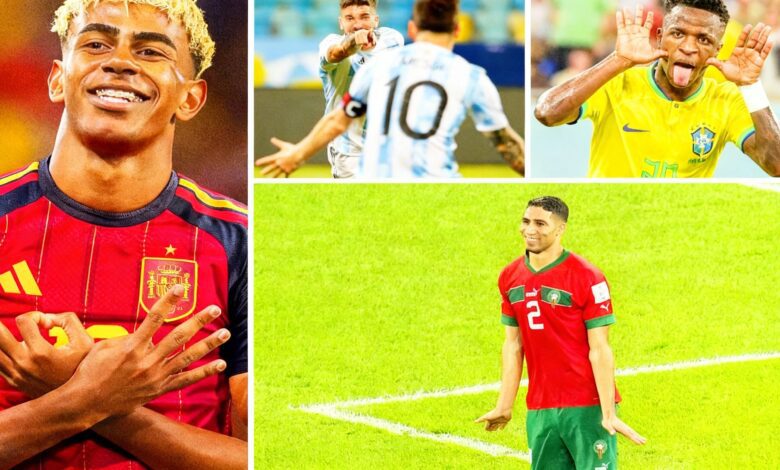
Choosing a second team to support at the World Cup has long been an unspoken tradition among fans. After the main favorite is knocked out, interest in the tournament doesn’t disappear—it simply shifts direction. Many fans decide in advance which team they’ll root for if their national team is eliminated. This approach helps keep the excitement and engagement alive until the final, and sometimes even sparks newfound loyalties.
Among football fans, there is an informal ranking of teams they support or dislike. Some national teams earn respect and become a ‘second home’ for millions, while others, on the contrary, become symbols of disappointment or irritation. The reasons behind these attitudes often lie not only in sporting results, but also in the history of rivalries, style of play, player behavior, and even political nuances. Analysis by russpain.com suggests that the emotional aspect of choosing a second team plays as big a role as rational arguments.
The Second Team Phenomenon
The emergence of a ‘Plan B’ among fans is linked to the desire to keep their interest in the tournament alive after their own team’s elimination. For many, it’s a way to continue following the matches without losing emotional involvement. Often, fans turn to national teams that play entertaining football, surprise with unconventional decisions, or simply win sympathy through their conduct on and off the pitch. Sometimes, preferences are shaped by personal memories, family traditions, or even random coincidences.
However, not all national teams are equally appealing to neutral fans. Some teams have won the hearts of supporters around the world for years, while others see their successes met with irritation or even schadenfreude. In these rankings of likes and dislikes, it’s not just sporting achievements that matter, but also cultural traits, national character, and even historic grudges.
Fan favorites and antagonists
Among the most popular ‘second’ national teams are often those associated with attractive football, fair play, and charismatic players. For example, Brazil has traditionally been a fan favorite for its attacking style and vibrant emotions. Argentina, despite a polarizing reputation, is also a common choice for those seeking passion and spectacle. European teams like France or the Netherlands attract supporters with their history and consistency.
At the same time, there are national teams whose success irritates many fans. The reasons vary: from frequent victories and tournament dominance to controversial incidents in match history. Sometimes dislike arises from the behavior of players or coaches, and other times from political or cultural differences between countries. This ranking of antagonists shifts from tournament to tournament, but it always sparks heated debates and discussions.
Emotions and tradition
Football has long stopped being just a game—it’s now part of national identity and cultural heritage. Fans invest in their national team not only with sporting hopes, but also with personal emotions, memories, and family stories. That’s why choosing a second favorite team is often a matter of principle, not just taste. Some are eager to support underdogs, while others choose teams that reflect their ideals of fair play and sporting spirit.
In recent years, the influence of social media and the globalization of football have only intensified this phenomenon. Fans from different countries unite in support of the same teams, sharing emotions and debating who deserves to be the new crowd favorite. At the same time, antagonism towards certain teams becomes even more pronounced, especially after major scandals or controversial refereeing decisions.
National teams that attract special attention at World Cups often find themselves at the center of discussion not only due to their sporting achievements, but also thanks to their unique style of play, the charisma of their leaders, and their ability to unite people across the globe. For many fans, choosing a second favorite team is a way to keep their interest in the tournament alive, experience new emotions, and feel part of a larger football community.
The Brazil national team is one of the most decorated and recognizable squads in the history of world football. Their style, built on attack and skill, has become a standard for generations of fans. The team has won the World Cup multiple times, with its players turning into idols for millions. The Brazilian squad not only symbolizes success but also embodies joy, passion, and love for the game, making it the number one choice for many fans worldwide.