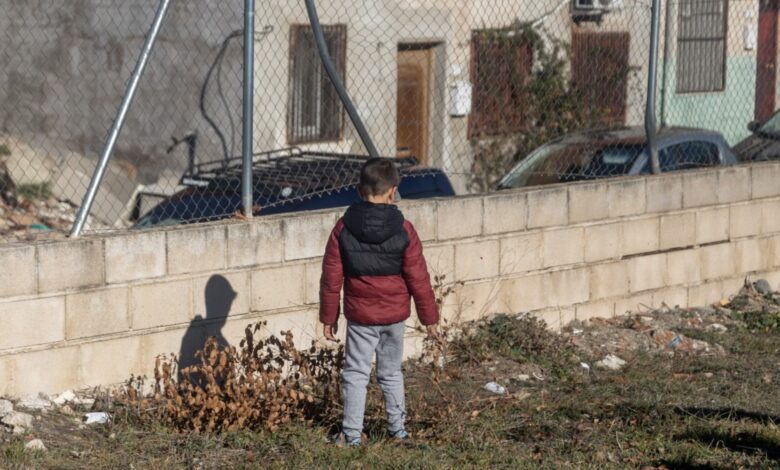
In 2026, Spain once again ranked second in the European Union for child poverty rates. More than a third of minors in the country were living in poverty or social exclusion, which is significantly higher than the EU average. Despite positive economic trends, the issue remains acute and shows no signs of improvement.
According to the latest data, 34.6% of Spanish children under the age of 18 were at risk of poverty or social exclusion. By comparison, the EU average was 24.2%. Only Bulgaria reported a worse situation, while countries such as Portugal have made notable progress over the past decade. In 2015, Portugal’s child poverty rate was similar to Spain’s, but by 2024 it had fallen to 20.7%.
Trends by country
A number of European countries that previously had high levels of child poverty have managed to achieve significant reductions over the past decade. In Romania, for example, the share of children living in poverty dropped from more than half in 2015 to a third in 2023. Greece and Italy have also seen positive trends, although their indicators remain high. In Spain, however, the child poverty rate has remained almost unchanged over the last ten years, setting the country apart from its neighbors.
Experts note that in most EU countries where high rates were previously recorded, the situation has improved thanks to targeted support measures. In Spain, however, the rate of child poverty remains abnormally high, despite economic growth and the establishment of dedicated ministries.
Poverty structure
Child poverty in Spain is caused by several factors. In recent years, the share of children living in households with low employment has decreased; in 2025, this figure stood at 6.7%, even lower than the EU average. However, the economic risk of poverty remains the highest among all EU countries, with 29.2% of Spanish children falling into this category.
There is particular concern about the rising number of families facing severe material and social deprivation. In 2026, this rate reached 11.2%, the highest in recent years. Across the EU, by contrast, the average dropped to 7.9%. Only Romania, Bulgaria, Greece, and Hungary reported worse figures.
Support measures and experiences of other countries
Spain has a special benefit known as the Child Support Supplement, but not all eligible families receive this assistance. According to russpain.com, the effectiveness of the measure is limited by bureaucratic barriers and its linkage to other social benefits. Experts and civil organizations propose making the payments universal and independent from other aid programs to broaden their coverage.
Ireland’s experience is cited as an example, where universal payments and process automation have significantly reduced child poverty rates. The country introduced both one-time and monthly payments for every child, provided without the need for applications. This approach has enabled Ireland to achieve one of the most notable positive trends in the EU.
Challenges and prospects
Persistently high rates of child poverty in Spain threaten the country’s ability to meet poverty reduction targets by 2030. Additional difficulties may arise if European social support funds are cut. The European Commission has already proposed reallocating some resources to other priorities, such as defense.
In the coming years, the EU plans to review key anti-poverty strategies, including updating the Action Plan on Rights and launching the first pan-European strategy to combat child poverty. Spain will have the opportunity to revise its policies and strengthen support measures if it focuses on universal payments and ensures access to basic services for all children.