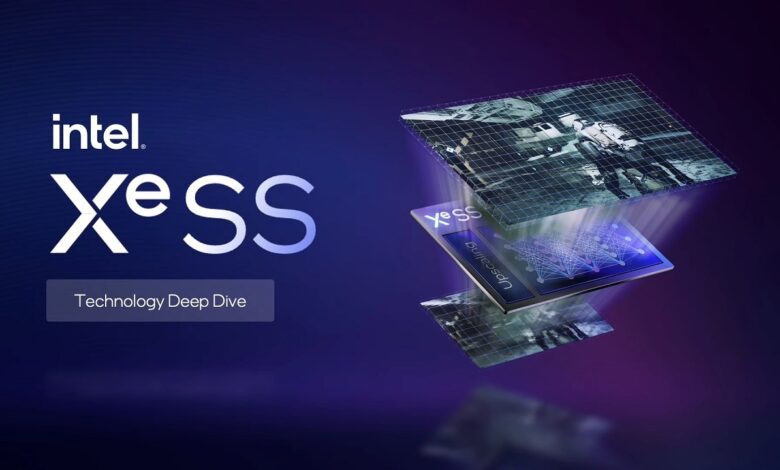
The introduction of XeSS Frame Generation on a wider range of Intel graphics cards instantly changes the game for anyone seeking smooth gameplay without having to purchase top-tier GPUs. Now, even owners of older Arc and Core Ultra models can expect a frame rate boost that was previously reserved for a select few. However, as is often the case, behind these appealing promises lies a host of technical nuances that can frustrate even the most patient gamers.
With the release of the new WHQL driver (32.0.101.8509), Intel not only expands the list of supported devices but also fuels the ongoing race for better performance. Multi-Frame Generation powered by XeSS is now available not just for Arc B-Series (Battlemage) and A-Series (Alchemist), but also for the latest generations of Core Ultra processors — Lunar Lake, Arrow Lake H, and Meteor Lake. On paper, this looks like a technological breakthrough: between two traditionally rendered frames, the system inserts up to three AI-generated frames, potentially multiplying frame rates in games that support XeSS 3. But if anyone thinks this is a cure-all solution, they should take a look at the list of known bugs.
Technology and reality
In theory, the new feature was expected to turn even a mid-range graphics card into a real powerhouse. In practice, however, users encounter a whole range of surprises: from visual artifacts to sudden crashes in popular games. Those who dare to enable ray tracing are in for a real rollercoaster—stability turns into a lottery. Intel is upfront about it: Naraka: Bladepoint, The Finals, and Star Citizen may experience crashes, and in some professional applications, the graphics might start to resemble abstract art.
Nevertheless, there are some positive changes worth noting. The new driver fixes a number of annoying bugs that hindered enjoyment in Ghost of Tsushima and Mount & Blade II: Bannerlord. Issues with 3D metric displays in the Windows Task Manager have also been resolved—a small touch, but a nice one. Still, as is often the case, new glitches tend to appear as soon as old ones are fixed, forcing users to choose between the latest features and a stable experience.
Expanding possibilities
Until recently, XeSS Frame Generation was available only on a narrow range of devices, and many considered it an experimental toy for enthusiasts. Now, the technology is going mainstream: support extends not only to integrated Arc B390 and B370, but also to a wide array of discrete graphics cards and processors. This opens new horizons for those who aren’t ready to spend a fortune upgrading their hardware but want to get the most out of modern games.
However, widespread adoption does not mean instant happiness for everyone. Game developers are in no hurry to implement XeSS 3 into their projects, meaning that not everyone will immediately notice the benefits of these new features. Moreover, even when support is available, image quality and stability can vary from game to game. As a result, users find themselves in a situation where every driver update is not only a chance for higher FPS, but also a risk of encountering new bugs.
Stability under scrutiny
Intel is betting on artificial intelligence to catch up with and surpass its competitors in frame generation. But in practice, the road to perfection is full of pitfalls. Despite expanded support and fixes for several issues, the list of unresolved problems remains significant. This is especially true for games that actively use modern graphics technologies—even the latest drivers can bring unpleasant surprises there.
Users accustomed to stability are forced to balance the desire to try out new features with the fear of yet another crash or artifact. However, for those who enjoy experimenting and are not afraid of some temporary inconvenience, updating Intel drivers is a chance to achieve a noticeable performance boost without extra costs. The main thing is to remember to save your progress in games more often.
Intel is one of the world’s largest manufacturers of processors and graphics solutions, and in recent years has been actively investing in AI technologies for gaming. The company aims not only to compete with industry leaders, but also to set new standards in graphics processing. XeSS Frame Generation is the latest step in this strategy, designed to make modern games more accessible to a wider audience. However, it currently comes with a range of technical compromises and surprises for users.