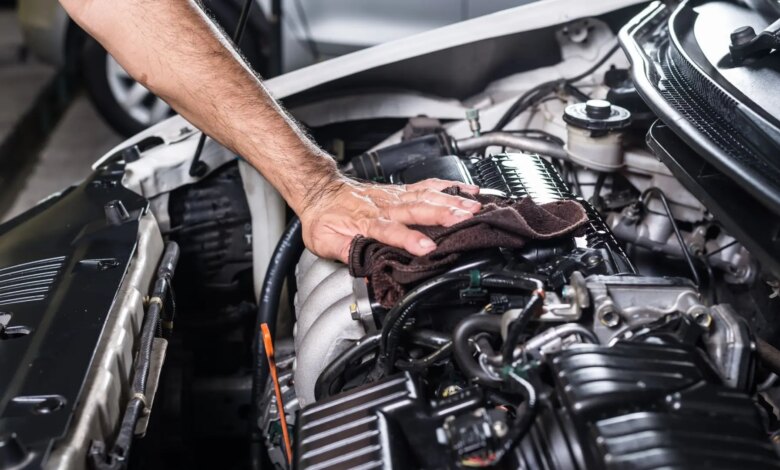
Diesel engines, despite their reliability, are prone to certain technical issues that can significantly reduce their lifespan. Not all malfunctions are related solely to the fuel system—the engine design includes other vulnerable components that require attention.
In diesel-powered vehicles, there is often a small yet crucial part that, if clogged, can cause serious damage. If it stops functioning properly, the engine can overheat, potentially leading to failure. To prevent such situations, it is recommended to take long trips regularly and change the oil on time—typically every 15,000 to 30,000 kilometers.
This concerns the EGR valve—a key component of the exhaust gas recirculation system. Its purpose is to reduce nitrogen oxide emissions by returning some exhaust gases back into the intake manifold, where they mix with the air. If this valve becomes clogged or fails, the air-fuel mixture balance is disrupted, which can result in overheating and piston damage. Additionally, a faulty EGR system cannot properly cool the engine, increasing thermal stress on its components.
To keep your diesel engine in good working condition, it is important not only to monitor the EGR valve but also to change the oil regularly. While it is best to have this done by auto service professionals, you can do it yourself if you have the necessary tools and skills. You will need a jack, a container for used oil, a funnel, a set of wrenches, and protective gloves.
Before starting, it is recommended to warm up the engine to make the oil thinner and allow it to drain faster. Then locate the drain plug on the oil pan, place the container underneath, and carefully unscrew the plug. Once the oil has fully drained, replace the old oil filter with a new one. After the procedure, reinstall the plug, pour in fresh oil, and check the level.
Following these simple maintenance rules helps extend the service life of a diesel engine and avoid costly repairs.