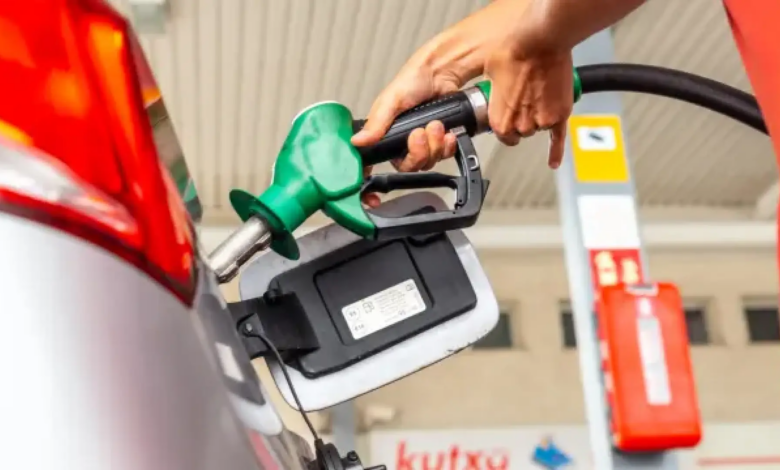
Car owners often believe that filling the tank to the very top is the best way to avoid extra trips to the gas station. However, experienced auto repair professionals warn that this habit can cause troubles for your vehicle. Spanish mechanic Juan José shared his expert perspective on the issue, explaining why it’s better to avoid topping off your fuel tank.
Impact on the Fuel System
Modern cars are equipped with sophisticated fuel delivery systems in which every component plays a crucial role. Overfilling the tank can cause gasoline to overflow into special filters designed to trap vapors. These filters, made of activated charcoal, are built to handle only a certain capacity. Regularly filling the tank to the brim shortens the filter’s lifespan, leading to costly replacements.
Gasoline engines are especially susceptible to this scenario. They have valves that, under excessive pressure, can allow fuel to leak into the filter, disrupting its function. Over time, this results in poorer environmental performance and may even cause unpleasant odors inside the car.
The Role of Climate Conditions
The region’s climate where the car is used also plays a significant role. In hot areas, such as southern Spain, fuel evaporates faster, causing increased pressure in the tank. This raises the risk of valve and filter failure. In colder countries like Germany, evaporation occurs more slowly, but even there, an overfilled tank can cause problems with the fuel system’s ventilation.
Experts note that overfilling the tank disrupts the balance between the liquid and vapor phases of the fuel. This can cause malfunctions in sensors and control systems, as well as trigger error messages on the dashboard.
Myths about explosions and real risks
Many drivers believe that a completely filled tank could cause a car to explode. In reality, modern vehicles are equipped with safety valves to prevent such incidents. However, consistently exceeding the recommended fuel level does put extra stress on these parts and shortens their lifespan.
The real dangers aren’t catastrophic, but rather involve gradual wear of fuel system components. As a result, owners may face unexpected repairs that can be quite expensive.
Optimal fuel level
Experts recommend keeping the fuel tank about three-quarters full. This helps to avoid excessive pressure and ensures all system components function properly. The minimum recommended level is a quarter tank to prevent sediment and contaminants from entering the fuel line.
This approach not only extends the lifespan of your vehicle but also helps reduce maintenance costs. Additionally, maintaining an optimal fuel level lowers the risk of condensation and corrosion inside the tank.
In case you didn’t know
Juan José is a well-known auto mechanic from Spain who gained popularity thanks to his educational TikTok videos under the username @talleresebenezer. His tips regularly garner thousands of views, and followers appreciate the simplicity and clarity of his explanations. Juan José has worked in car maintenance for over 15 years, specializing in modern fuel injection systems and diagnosing complex faults. His workshop is located in one of Madrid’s suburbs, where he helps car owners solve both common and rare issues with their vehicles. In addition to his hands-on work, he actively participates in training seminars and shares his experience with young professionals. Thanks to his advice, many drivers have avoided costly repairs and improved the safety of their vehicles. In recent years, Juan José has become one of the most recognizable auto service experts in the Spanish-speaking social media community.