The launch of the new Freelander brand, a joint venture between JLR and Chinese conglomerate Chery, is already raising questions among European carmakers. With the backing of two major industry players, the brand is targeting the global market right from the start—not just China. Over the next five years, the company plans to release a new model every six months, each available in electric, hybrid, and extended-range versions. Such a pace could shift the balance of power among premium SUVs and 4x4s in Europe, where Chinese brands already sell hundreds of thousands of vehicles every year.
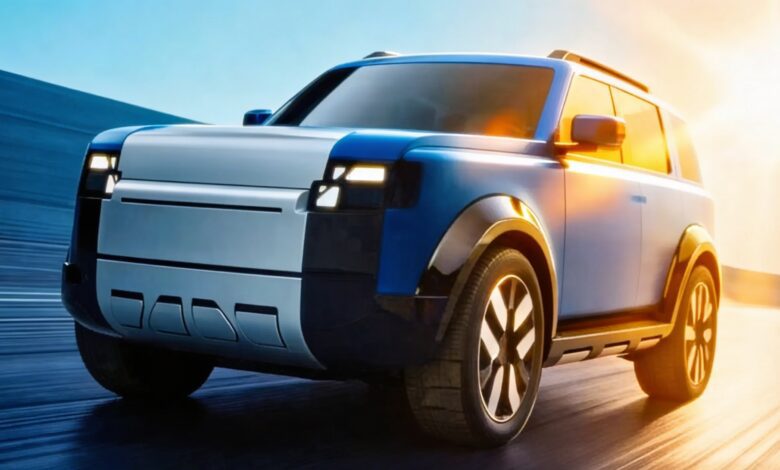
Freelander is not simply reviving a well-known name, but redefining it entirely. While the name once belonged to a classic Land Rover SUV, it now stands for an independent marque focused on modern technologies and eco-friendly solutions. The first prototype features recognizable Land Rover Defender traits: sharp lines, bold shapes, and angular design. However, the designers have added their own touches to highlight the brand’s independence. The concept car offers space for six passengers, a bright cabin, a massive central screen, and a digital dashboard stretched across the windshield. Chinese influence is evident in every detail of the interior.
Strategy and Ambitions
Freelander immediately made its intentions clear: a new model every six months, with a total of ten over five years. All vehicles will feature electric powertrains, as well as versions with extended range and hybrid modifications. This approach allows the brand to cover multiple market segments and react quickly to shifting demand. According to RUSSPAIN.COM, it is precisely this flexibility and speed in launching new models that could become the brand’s main advantage compared to European competitors, who often act more cautiously.
The arrival of Freelander coincides with growing interest in Chinese cars across Europe. In 2025, sales of vehicles from China exceeded 800,000 units, and this number keeps rising. The new brand clearly aims to carve out its niche among premium SUVs, where competition is becoming increasingly fierce. Notably, JLR isn’t just lending its name but is actively involved in the project, which adds credibility to the new brand among European customers.
Design and technology
Freelander’s first prototype shows how the brand plans to stand out among its rivals. The car’s exterior recalls the Land Rover Defender but features modern touches: rectangular headlights, metal elements on the bumper and hood, pronounced wheel arches, side steps, and unusual rear doors that open the opposite way. Inside, there are minimal traditional buttons and maximum digital solutions. A large touchscreen and panoramic digital dashboard make the interior reminiscent of modern Chinese electric vehicles, but with British accents in the details.
There are still few technical details. It is known that the production version will be electric, with plans for extended-range and hybrid models. This will allow the Freelander to compete with models like the Skoda Peaq, which recently entered the market with a large electric crossover and has already attracted interest from European buyers — more on Skoda’s strategy can be found in the article about the new Skoda Peaq electric crossover.
Global prospects
While Freelander is launching in China, the brand is already announcing its global ambitions. The European market will be one of its main targets, and it is clear that the new models will be tailored to local standards and requirements. This means European customers will soon have access to premium SUVs featuring modern technology and competitive prices. Such an approach could shift the balance of power in a market that has traditionally been dominated by established brands.
Freelander is not just another Chinese brand but the product of a partnership between two major companies, each contributing its expertise and resources. This alliance could accelerate the adoption of new technologies and increase competition in the premium SUV segment.
Freelander is a new brand created through a partnership between JLR and Chery. It focuses on producing modern SUVs and 4x4s with electric and hybrid powertrains. The first prototype combines the recognizable design of the Land Rover Defender with advanced technology and a spacious interior. Over the next five years, the brand plans to launch ten new models, prioritizing flexibility and rapid lineup updates. The European market will be one of the key regions for the brand’s development.