In recent years, diesel vehicles have come under scrutiny due to their negative environmental impact. Authorities in various countries have tightened emissions regulations, while automakers are actively promoting electric cars. However, switching entirely to electric transport requires time, significant investment, and the development of infrastructure.
Against this backdrop, Spanish experts have proposed an alternative solution that could change the way diesel cars are used. The innovation involves software adaptation of the engine, allowing it to run on biofuels and other eco-friendly fuels without complicated mechanical modifications.
The project is being developed by a team led by engineer Carrie Hall from the Illinois Institute of Technology. They have created a system based on artificial intelligence and mathematical models that analyzes data from the vehicle’s existing sensors. This enables precise determination of fuel combustion parameters and allows the engine to automatically adjust for different types of fuels.
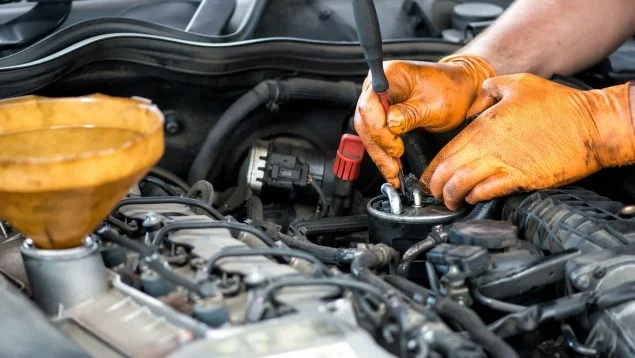
Unlike traditional methods that require replacing parts or installing new devices, the proposed technology uses existing sensors. The software processes data about the engine’s performance, making it possible to quickly and safely switch to alternative fuels such as biodiesel.
Particular attention is paid to combining physical models with neural networks. This approach ensures system transparency and allows engineers to control the process, avoiding unpredictable failures typical of fully automated solutions.
Software updates can be performed remotely, greatly simplifying technology adoption. Drivers won’t need to visit service centers or spend money on expensive repairs. Manufacturers will be able to convert existing vehicles to cleaner fuels on a large scale, reducing overall emissions.
Experts note that such innovations open new opportunities for the entire transport sector. In addition to passenger cars, the technology can be used in trucks and industrial machinery, where switching to electricity remains a challenge.
In the long term, these solutions will help speed up the environmental modernization of the vehicle fleet without having to wait for a full replacement of old cars. This is especially relevant for Spain, where the share of diesel cars remains high.
While electric vehicles remain a priority for the future, flexible software tools already make it possible to make existing transport less harmful to the environment. Spanish engineers are convinced: simple digital upgrades could be a crucial step towards sustainable mobility.