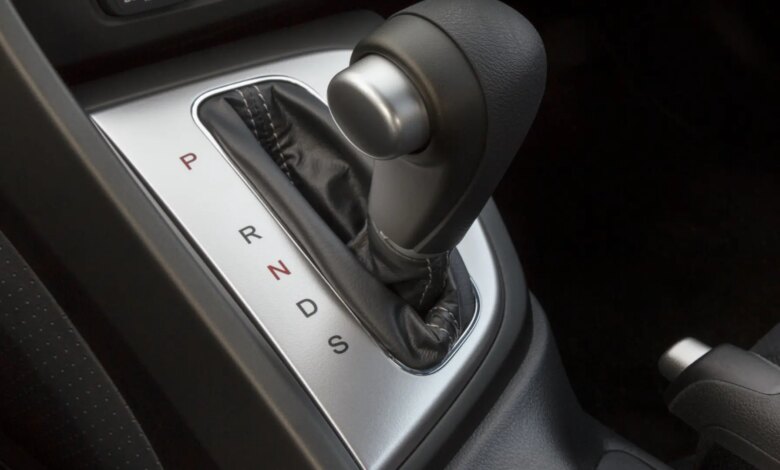
In recent years, automatic transmissions have almost completely replaced manual ones on the Spanish market. New cars arriving at dealerships are equipped with these transmissions. Along with this change, the familiar gear lever has also evolved—now it is simpler, but still has features that raise questions among owners.
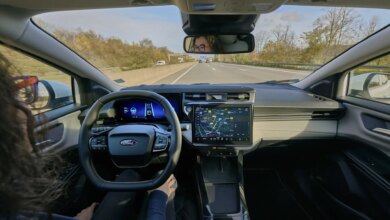
One such feature is a small switch on the side of the lever. Its presence often goes unnoticed, and its purpose can puzzle even experienced drivers. Pressing this element causes an ‘O/D OFF’ indicator to light up on the dashboard. Although most motorists pay little attention to this function, it plays an important role in the vehicle’s operation.
This refers to the so-called Overdrive mode. Its purpose is to optimize transmission performance and reduce fuel consumption. When Overdrive is enabled, the gearbox allows the use of higher gears, which is especially useful for highway driving at a constant speed. In this case, the engine runs at lower RPM, which helps save gasoline or diesel.
If Overdrive is turned off using the button, the car will hold lower gears, increasing engine RPM. This mode is necessary for city driving with frequent stops, as well as when climbing uphill or descending a steep slope. In these situations, higher revs ensure better handling and safety.
Improper use of this function can lead to undesirable consequences. If you continually drive with Overdrive turned off on the highway, fuel consumption will noticeably increase. Moreover, excessive strain on the transmission can cause premature wear of parts and even transmission failure.
Car owners are advised to pay close attention to how this mode operates. Overdrive should be engaged on highways and at steady speeds, and turned off in difficult road conditions or when intensive engine braking is required. This approach not only saves fuel but also extends the vehicle’s lifespan.