Spain has once again raised the issue of historical responsibility for the colonization of the Americas. An unexpected statement by the king sparked broad discussion among experts and the public. Acknowledging past mistakes is especially significant against the backdrop of current relations between Spain and Latin American countries.
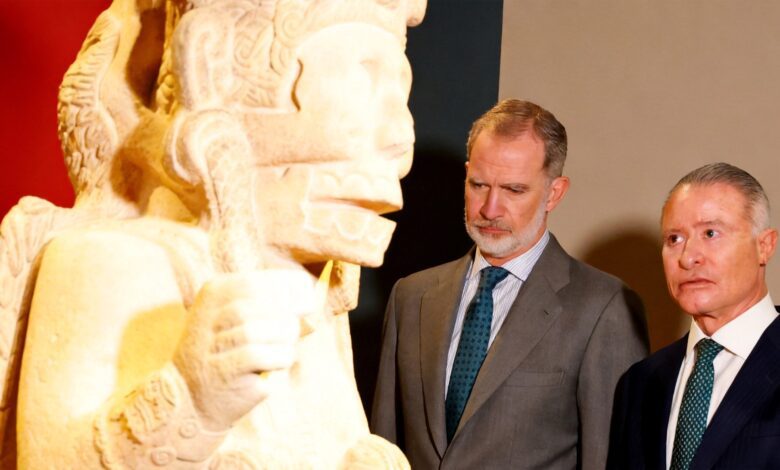
During a visit to the exhibition “La mitad del mundo. La mujer en el México indígena” in Madrid, organized together with Mexican cultural institutions, the King of Spain emphasized the complex aspects of history. In a conversation with Mexico’s ambassador, he noted that during the colonial period, numerous abuses were committed by Spanish conquerors. This statement was made in the context of the exhibition, which focused on the role of women in Mexico’s indigenous communities.
Historical background
The king stressed that moral and ethical debates over how indigenous populations were governed and treated began in the earliest years of Spain’s presence in the Americas. Despite legislative initiatives aimed at protecting native peoples, enforcement often fell short. According to the monarch, the reality of those times did not always match the proclaimed principles, resulting in frequent violations and conflicts.
The king’s remarks have sparked discussion among historians, who note that such admissions by officials are extremely rare. In Spain, the subject of the colonial past traditionally leads to debate, and attempts to reassess the country’s role in the history of the Americas often become the focus of political discourse.
Reaction and consequences
The king’s statement resonated not only in Spain, but also in Mexico. Representatives of Mexican diplomacy expressed hope that such steps would foster greater mutual understanding between the countries. At the same time, some Spanish politicians and public figures have called for a deeper analysis of historical events and their impact on current relations.
The exhibition in Madrid became a platform for dialogue about the complex pages of shared history. According to RUSSPAIN, interest in the exhibition increased substantially after the monarch’s public announcement. Many visitors note that such initiatives promote a more objective perspective on the past and help build dialogue between peoples.
Related events
In recent years, Spain and other European countries have increasingly raised questions about rethinking their colonial legacy. In 2025, Barcelona hosted a series of public discussions on Spain’s role in the history of Latin America, where there were also calls to acknowledge past mistakes. Similar initiatives took place in France and the United Kingdom, where officials emphasized the need for open dialogue with former colonies. These developments reflect society’s growing interest in honest discussion of historical facts and in exploring new forms of cooperation between countries.