Reconstruction of San Lorenzo Church in Úbeda Recognized as a European Model. The San Lorenzo Church in Úbeda was saved from decay and transformed into a cultural space. The European HITTS project highlighted the site as an example of innovation for rural areas. The restoration was supported by residents and local organizations.
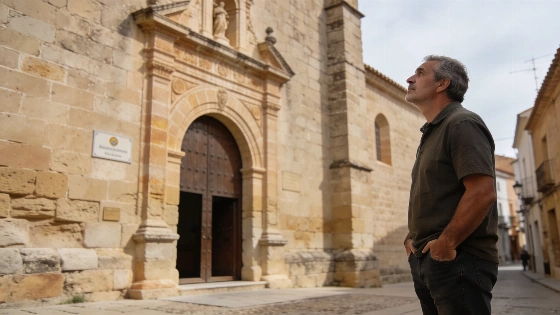
A major restoration of the 13th-century San Lorenzo Church in Úbeda (Jaén province) has been completed. Just ten years ago, the church was on the verge of disappearing. Thanks to the efforts of local residents and the Huerta de San Antonio Foundation, the building was not only saved from destruction but also transformed into a modern cultural center. The European HITTS project named San Lorenzo among the best examples of innovative approaches to preserving and developing rural areas.
In 2013, the church building was deemed unsafe: the roof had partially collapsed, the walls were covered with cracks, and trees were growing inside. The site was added to Hispania Nostra’s Red List as being at risk of disappearance. The situation changed after an agreement between the Diocese of Jaén and the Huerta de San Antonio Foundation: both parties shared the restoration costs (€300,000), and the church was leased to the foundation for 50 years.
The restoration revealed unique architectural details: a hidden Romanesque arch was discovered behind the walls, and one of the chapels, according to experts, is linked to the Renaissance architect Andrés de Vandelvira. The works were led by architect José María Martos Leiva, and all restoration phases followed an “open for work” format—residents could observe the process and participate in the life of the church.
Today, the San Lorenzo church has become a venue for concerts, exhibitions, theatrical performances, and gastronomic events. Major platforms also film here—for example, a recent episode of Acoustic Home with Edurne was recorded in the church for HBO Max. In the summer, the church hosted the art residency La danza de las desposeídas (invocaciones boleras), dedicated to dance.
The HITTS project, funded by the Interreg SUDOE 2021-2027 program, has recognized San Lorenzo as an example of sustainable development and community engagement. The strategy focuses on supporting local entrepreneurship, developing an inclusive environment, and implementing the concept of slow tourism. In the near future, the church will become a pilot site for accessibility for people with disabilities within the SUDOE European area.
The restoration of the church became possible thanks to broad civic support. A campaign called 'Salvemos la iglesia de San Lorenzo' took place in Úbeda, and writer Antonio Muñoz Molina publicly drew attention to the threat of losing this historical monument. The Huerta de San Antonio Foundation emphasizes that the 'open for work' principle remains fundamental: the church doors are always open to residents and visitors.
San Lorenzo regularly hosts book presentations, including the release of 'Úbeda y Mágina' by Antonio Muñoz Molina, as well as commemorative events, for example, in honor of journalist Bonifacio de la Cuadra. An exhibition about mathematician Gallego-Díaz was also anticipated, but its realization became impossible after the death of Soledad Gallego-Díaz. One of the year's standout events remains the September Sabina por aquí days—a series of concerts and cultural activities honoring the city's native son, singer Joaquín Sabina.
In recent years, Spain has been paying increasing attention to the preservation of historical sites and their integration into modern life. The example of San Lorenzo demonstrates how civic initiative and partnerships with the church can not only save a monument but also give it a new function. Similar projects are being implemented in other regions of the country, and the issues of cultural heritage preservation are becoming increasingly relevant amid urbanization and demographic changes. At the same time, as recently revealed by an investigation into corruption at the port of Valencia, discussed in the article on the exposure of a drug network involving port workers, the issues of territory preservation and development require a comprehensive approach and oversight by society.