Madrid City Hall Approves Ermita del Santo Development: 530 Flats and Two High-Rises. Madrid authorities have given the green light to a controversial project on the site of a former shopping center. The plan includes 530 flats, 129 of them subsidized, and two towers up to 28 stories high. The decision has sparked protests from residents and the opposition.
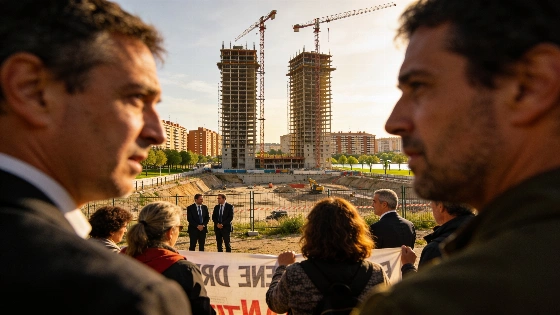
The Madrid authorities have officially approved the start of a large-scale development on the site of the former Ermita del Santo shopping center in the Latina district. The project involves the construction of 530 apartments, 28% of which will be classified as protected housing, as well as two high-rise towers of up to 28 floors. The decision was made at a city council meeting and immediately sparked a wave of criticism from the opposition and local residents.
Project details and property owners
The development will cover an area of more than 44,000 square meters, owned by Desarrollos Ermita del Santo, SOCIMI, S.A. The largest shareholder is Ibemetex, controlled by Venezuelan businessman Alberto Enrique Finol Galue. The financing and execution of the works will be handled by a consortium of landowners, under the supervision of the city's Construction and Equipment Department.
According to Deputy Mayor Inma Sanz, about 70% of the land previously in private hands will be returned for public use. The plans include new green spaces, commercial infrastructure development, and improvements to the urban environment in the Los Cármenes area, which has long been considered depressed.
Political conflict and protests
The Ermita del Santo project has become one of the most controversial in Madrid in recent years. In the past, former mayor Manuela Carmena blocked it, but the current administration led by José Luis Martínez-Almeida (PP) revived the initiative, prompting a sharp reaction from the opposition and local residents’ associations. Critics call the project an “urban pelotazo” and point to risks of speculation, a lack of new public facilities, and the threat of gentrification.
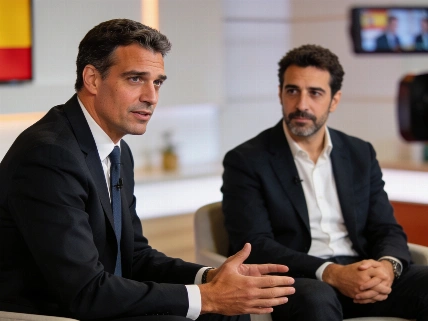
Socialist Pedro Barrero believes that the Latina district is once again becoming a site for speculation, and that the share of protected housing is too small. He also fears that part of the commercial space will be allocated to flexliving, which could increase the displacement of local residents. José Luis Nieto, representative of Más Madrid, takes a similar position, accusing the city council of changing land use to favor owners’ interests, and recalls the recent sale of a flexliving plot to Dazia Capital.
Urban environment and green spaces
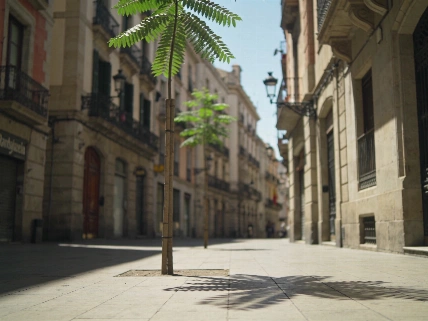
City Hall claims the project will help integrate the abandoned lot into the urban fabric and improve pedestrian connections. Specifically, a 60-meter-wide green corridor is planned to link the parks La Ermita del Santo and Caramuel with Madrid Río. The project also foresees around 11,000 square meters of public space and 5,600 square meters of new green areas, preserving part of the existing trees and planting nearly 300 new ones.
In recent years, the abandonment of the shopping center has become a symbol of the area's decline: shuttered stores, empty corridors, and minimal commercial activity. According to RUSSPAIN, the purchase of the complex in 2012 for 16 million euros could have led to a fivefold increase in land value after the new plan was approved.
Residents' response and next steps
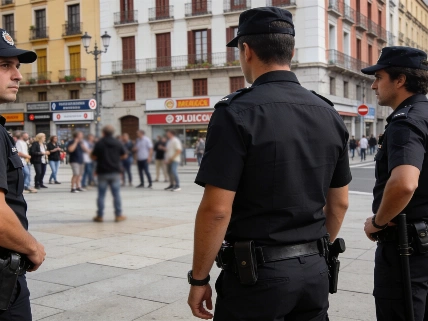
At almost every stage of the project approval process, protests were held. In April 2024, several residents were removed from the meeting hall after displaying banners against the development. The Más Madrid and PSOE parties voted against it, arguing that the interests of private owners were prioritized over the public good.
Authorities insist that the new residential complex will help revitalize the area and create modern public spaces. The project also includes an underground parking lot for 2,000 cars, which has raised concerns about increased traffic.
Questions about the impact of large construction projects on the urban environment and residents' interests remain relevant not only for Madrid. For example, a new exhibition exploring the history of the Sagrada Familia and its role in city life has recently opened in Barcelona — more on this can be found in the article about rare archives and debates surrounding the main cathedral of Catalonia.
After the approval of the Ermita del Santo project, a new administrative phase begins, which should lead to final approval and the start of construction.