After weeks of criticism over slow action, Andalusia’s government has unveiled a €46.2 million relief package for earthquake-hit Granada. Hundreds are still unable to return home as aftershocks continue.
After weeks of public criticism and frustration from local officials, the Junta de Andalucía has announced a €46.2 million emergency aid package for people affected by the Granada earthquakes. The move comes nearly a month after the first major quake on August 15, which left hundreds without homes and led mayors to openly question the regional government’s slow response.
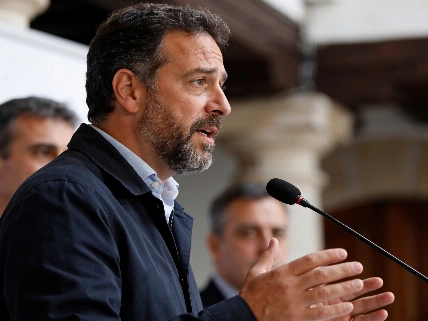
President Juan Manuel Moreno visited Granada to meet with more than twenty mayors and neighborhood groups from the hardest-hit areas. The visit followed growing pressure from both residents and local leaders, who had voiced their anger over the government’s absence. According to sources close to the administration, the timing was meant to address the rising discontent and show that the Junta was finally taking the crisis seriously. Official statements say the seismic activity began as early as August 14, 2026, with authorities declaring a state of emergency after nearly 1,700 earthquakes were recorded in the region.
Preliminary damage assessments from the earthquakes in Granada have already exceeded €105 million, with over 41,000 insurance claims filed.
The new funds will cover a range of needs. Eight million euros are set aside to secure residential buildings not covered by insurance, and 15.5 million will go toward repairing or replacing 12 buildings and 150 homes. Four million euros are allocated to stabilize and protect the Alhambra, Granada’s most famous landmark. Other funds will repair health centers, schools, judicial buildings, and facilities for the elderly, with more than €10 million going to health and education alone. According to reports from Europa Press and other Spanish outlets, €7 million is specifically for municipal infrastructure repairs in the worst-hit towns, and the Alhambra’s stabilization is a top priority because of its UNESCO World Heritage status.
Moreno defended the delay by saying there was no budget for this kind of emergency and that finding the money required urgent credit changes. He argued that technical teams needed to assess the damage before political leaders could act, and that his visit made sense only once real solutions were ready. Still, 25 days passed before the president visited the disaster zone. About 200 people are still unable to return home, and aftershocks continue. As Canal Sur reported, the main frustration among locals was the slow response and lack of immediate engagement from the government.
Some relief measures had already been outlined by Carolina España, the Junta’s spokesperson and finance chief, but most details were kept back until Moreno’s visit. Seven million euros in municipal aid had been published in the official bulletin, but the rest of the package was announced by the president. The government’s handling of the crisis has drawn comparisons to other recent emergencies, such as the Niebla wildfire and the Ceuta migration crisis, where Moreno’s timing and visibility were also questioned. As reported earlier, regional leaders have faced pressure to show up quickly during high-profile emergencies.
Following the government council's decision, affected municipalities now have 10 days to submit technical and economic damage assessments to qualify for public infrastructure repair aid. Central government representatives have indicated that, in addition to regional support, more than €100 million in national funds and insurance payouts could be directed to Granada.
Moreno has also called on Spain’s central government to declare the area a disaster zone, which would unlock further national support. The Ministry of the Interior is expected to approve this within days, according to the government’s delegate in Andalusia. Meanwhile, Vice President Carlos Cuerpo has pledged €100 million for insurance-backed repairs, signaling that Madrid is preparing its own intervention.
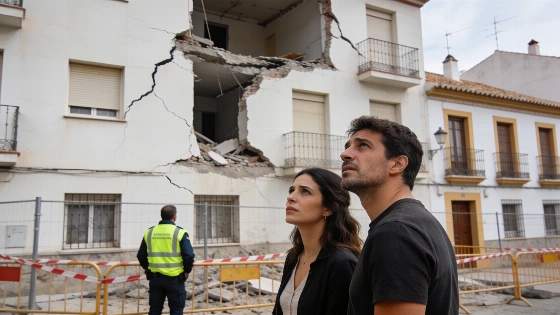
The situation on the ground is still difficult. More than 600 people had to evacuate at the height of the crisis, and many still do not know when they can return. The Alhambra suffered structural damage that needs immediate stabilization. Local health and education services have also been disrupted, with urgent repairs now funded by the new package.
This episode highlights a familiar pattern in Spanish regional politics: leaders often wait to engage directly until public pressure forces their hand. Moreno’s late visit and the carefully staged announcement point to a reactive approach to disaster management. While the financial aid will help Granada recover, the slow response has already damaged trust among local officials and residents. In the end, the money arrived, but only after the political cost became too high to ignore.