Left-wing parties in Andalusia urge President Juan Manuel Moreno to explain the handling of the Los Gallardos wildfire. The incident left 13 dead and exposed gaps in emergency resources. Political tensions rise as explanations are demanded.
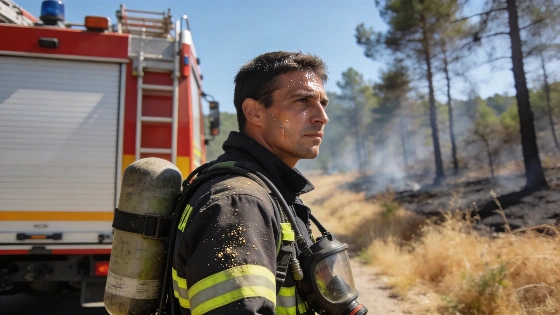
Pressure is mounting on the Andalusian government after the devastating wildfire in Los Gallardos, Almería, which resulted in 13 deaths and scorched 7,000 hectares. With the immediate crisis now under control, opposition parties are demanding that President Juan Manuel Moreno appear before the regional parliament to clarify the management of the fire and address concerns about emergency response and resource allocation.
During the height of the disaster, left-wing parties maintained a low profile, focusing on unity as national political figures took the spotlight. However, as the flames subsided, Adelante Andalucía, Por Andalucía, and the PSOE have all called for Moreno to provide a detailed account of the decisions made before and during the incident. Key questions include the adequacy of the Infoca fire service's summer plan, the availability of firefighting resources, and the protocols followed for prevention and evacuation.
One of the most contentious issues is the incomplete staffing of Infoca teams, highlighted by union complaints and echoed by opposition leaders. Reports indicate that some fire crews operated below required numbers, with vehicles left idle due to a lack of drivers. These shortcomings were previously noted during the Villanueva de los Castillejos fire in Huelva, which burned over 5,000 hectares earlier in the season. According to Infoca personnel, while the BRICA unit from Granada was fully staffed for Los Gallardos, other teams were not, and the Seville brigade still lacks its full complement of firefighters.
Adelante Andalucía's José Ignacio García has also questioned why the ES-Alert system was not activated, raising concerns about whether all residents received timely warnings. Testimonies from locals and victims' families suggest that some did not receive any official instructions, intensifying calls for a thorough review of the communication protocols used during the emergency.
Por Andalucía's Antonio Maíllo insists that the government must explain the criteria behind its decisions, especially regarding resource deployment and preventive measures. The opposition argues that with such a high death toll, a public debate is unavoidable and that only a transparent account from the highest level of the Junta de Andalucía will suffice.
PSOE leader María Jesús Montero has taken a more measured stance, emphasizing the need to base any assessment on concrete data and official records rather than speculation. She has called for a comprehensive timeline of actions taken from the first signs of smoke, stressing the importance of inter-administrative cooperation and future improvements in wildfire prevention and containment.
President Moreno, in his recent public statements, has attributed the fire's rapid spread—at times advancing 100 meters per minute—to the effects of climate change. He has repeatedly highlighted the region's vulnerability to extreme weather and defended his administration's commitment to environmental policies, including decarbonization and renewable energy. However, this stance has come under scrutiny following the government's coalition agreement with Vox, a party known for its climate change skepticism and opposition to measures like the Agenda 2030 and the Green Pact.
Opposition leaders have seized on this contradiction, questioning how Moreno can advocate for climate action while supporting policies that roll back environmental protections. Montero has pointed out that the coalition deal includes the elimination of regional taxes on plastic bags, emissions, and discharges, as well as the suspension of Agenda 2030 initiatives that might affect the productive sector.
The debate over Infoca's resources remains central. Despite a 5% increase in funding this year, bringing the plan's budget to €271 million and employing 4,700 professionals, unions and firefighters report persistent gaps in staffing and equipment. Vehicles have reportedly been left unused due to insufficient crews, and some units still lack the necessary personnel even as the wildfire season intensifies.
This political standoff in Andalusia mirrors broader tensions within Spain's major parties, as seen in recent disputes over leadership and policy direction. For example, internal criticism within the Partido Popular over its handling of key issues has highlighted the challenges facing opposition strategies at the national level, as detailed in this analysis of PP's internal divisions.
Wildfires have become an increasingly urgent issue in Spain, with climate change contributing to longer, more intense fire seasons. Andalusia, with its vast rural areas and frequent droughts, is particularly exposed. The Los Gallardos tragedy has reignited debate over the adequacy of regional emergency services and the political will to address environmental risks. As the region recovers, the demand for accountability and improved preparedness is likely to shape both local and national political agendas in the coming months.