Antonio Repullo attacked the PSOE’s Senate agreement with Frente Amplio in Córdoba. The deal covers 47 constituencies across 43 provinces; Jaime de los Santos focused on equality policy and corruption.
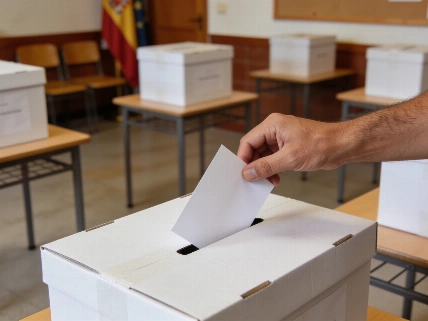
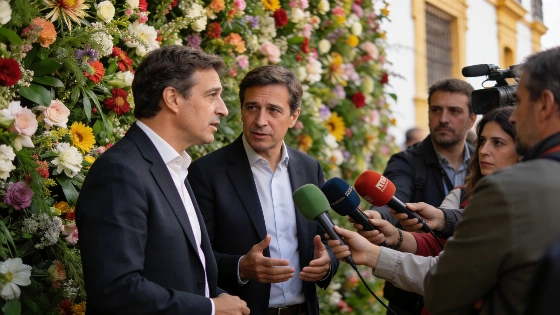
At an appearance tied to Córdoba’s Flora festival, senior Andalusian PP figures took aim at the national government’s record. Antonio Repullo said the PSOE was joining Frente Amplio on Senate lists in 43 provinces, including Córdoba, instead of running under its own name. Reached on 16 October, the agreement is for the general election on 29 November. It uses the name «Senado de Progreso» and covers 47 constituencies across 43 provinces. The gap reflects the separate constituencies used for island territories.
Repullo, the PP’s secretary-general in Andalusia and regional coordinator for the 29-N campaign, called the deal a sign of weakness. The left’s stated aim is to stop the Partido Popular from repeating its absolute majority in the Senate. Separate left-wing lists could help the PP win seats.
The joint lists include PSOE and Izquierda Unida. Movimiento Sumar is also part of the agreement, as is Más Madrid. Regional parties joined too: Compromís and Chunta Aragonesista are among them. Batzarre signed on, alongside Més and Ceuta Ya. The pact excludes the four Catalan provinces and most of the Canary Islands. Sevilla is also an exception. Separate arrangements were made for La Gomera and the Balearic Islands. Podemos did not join. The agreement follows the PSOE and Frente Amplio deal to run joint Senate lists, covered in an earlier report.
Repullo defended Juanma Moreno’s governing approach. He argued that political stability and annual budgets let the government improve public services and address problems facing families and businesses. He contrasted that record with what he called paralysis in Pedro Sánchez’s government.
On the Adamuz rail accident, Repullo said the government had yet to explain its actions or accept responsibility. The investigation is continuing, while safety investments remain pending, according to the PP statement. He also accused the government of failing to offer a solution to the Ceuta dispute.
Jaime de los Santos, the PP’s deputy secretary for Education and Equality, focused much of his criticism on the government’s equality policies and judicial cases involving former officials or people close to the Socialist administration. He questioned how electronic monitoring bracelets meant to protect victims of gender-based violence had been handled, and blamed the government for problems with the devices.
On corruption, De los Santos named José Luis Ábalos, the former minister and PSOE organisational secretary. He also referred to other Socialist figures and public officials linked to judicial investigations. De los Santos questioned the government’s credibility and called for political accountability. He rejected any clemency measure that might be considered in relation to the conviction of the former attorney general of the state.
De los Santos cast the general election as a choice between a country focused on opportunity and respect for institutions, and one weighed down by political scandals and investigations into alleged corruption. He called for judicial independence and said the separation of powers must be protected. He criticised the government’s handling of migration, accusing Sánchez of putting his political survival ahead of the country’s general interests.