Vox reserves Valencia bullring for 27 November rally
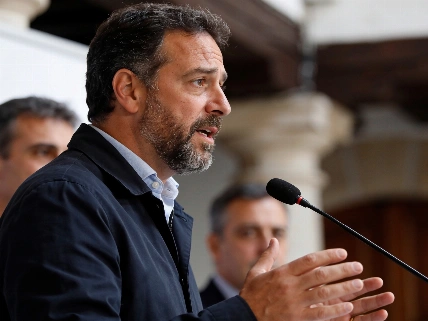
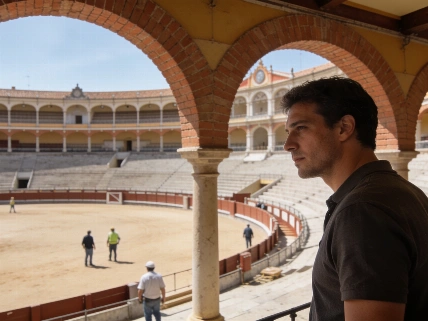
Vox has reserved Valencia’s bullring for 27 November, but its national leadership has not yet confirmed the venue as the final rally site. The PP has also booked the arena for 21 November.
Vox has reserved Valencia’s bullring for 27 November, but its national leadership has not yet confirmed the venue as the final rally site. The PP has also booked the arena for 21 November.
The Junta Electoral Central has lifted its suspension of MiDNI for identification at polling stations. The decision followed confirmation from the Interior Ministry that electoral boards would have QR-verification devices.
Alberto Núñez Feijóo called Óscar Puente’s resignation “teatrillo” and urged voters to make Pedro Sánchez resign at the 29 November election. The political row follows an Urda rail accident that killed 69 people and changes at Transport and Adif.
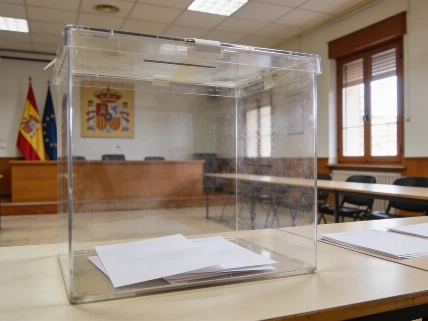
Residents of Madrid and Valladolid can check online whether they have been selected for a polling station on 29 November. Postal notices are also being sent, though delivery can take longer if recipients are absent.
Alberto Núñez-Feijóo declined to name a former prime minister for a ministerial post after Susanna Griso asked him on Espejo Público. He praised three former leaders but made no choice.
PP is projected to win 15 of Madrid’s seats in the 29 November general election, while PSOE and Vox are each forecast to take nine. Both estimates pre-date the 28 October rail crash in Urda.
Dénia has selected 441 titular and substitute members for the 29 November 2026 general election. The municipality will have 49 polling stations, with one Dénia venue moving to the Museu del Joguets.
After the Urda train disaster killed 69 people the PP is shifting its campaign towards competence and government responsibility. Feijóo wants the 29 November election to become a verdict on the PSOE government while the party watches for Vox gains.
GAD3 president Narciso Michavila says the Urda rail disaster abruptly shifted his election polling. He now says Pedro Sánchez cannot finish first, while Alberto Núñez Feijóo’s PP could beat its 2023 result.
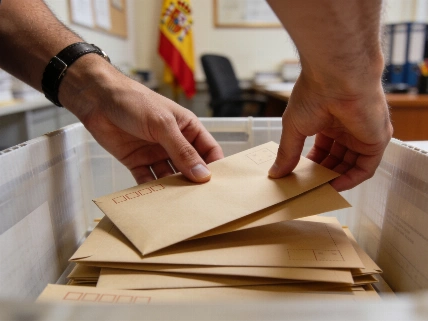
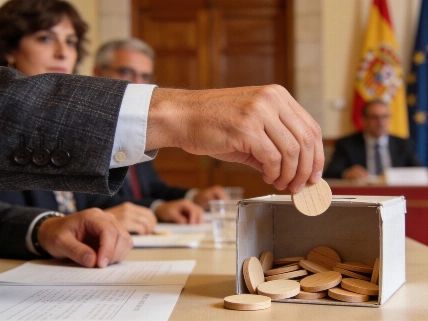
Municipalities will hold public draws to select polling-station presidents and members from 31 October to 4 November. Those selected should receive notice by post within three days and must attend unless they can justify an exemption.
Electoral lists for Spain’s 29 November vote are registered, and the PP is losing ground to Vox in recent polls. Their Senate pact includes Vox withdrawals in half a dozen provinces, with some members standing as independents.
Parties have published their lists for the 29 November election, bringing internal disputes and contentious candidate choices into view. PSOE resignations and a major PP reshuffle accompany Vox candidates with disputed pasts.
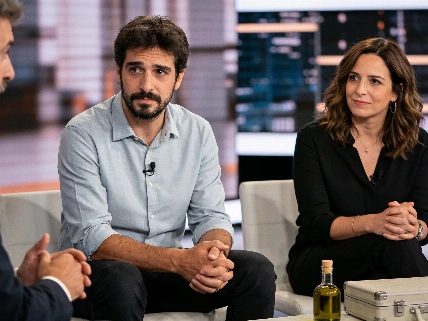
Gabriel Rufián and Irene Montero appeared together on ‘La Revuelta’ on Tuesday as Spain’s 29 November general election approached. Montero proposed cutting rents by 40%, while Rufián urged voters to back progressive parties.
Lucía Fernández is 14th on the PP list; Rocío García Alcántara is 16th, with Paloma Tejero at 18th. The party won 16 Madrid seats in 2023 and expects all three to enter Congress.
The PP and Vox have agreed to coordinate Senate candidacies after PSOE and Frente Amplio reached their own deal. Vox will stand aside in six provinces while the PP leaves three without its own candidate and includes Vox-backed independents in 14 territories.
The PP and Vox have agreed an unprecedented joint strategy for the Senate ahead of Spain’s 29 November election. PSOE and Frente Amplio will contest the chamber together under the Senado de progreso coalition.
At the PP campaign launch in León, Ester Muñoz urged voters to choose a reformist government led by Alberto Núñez Feijóo over Pedro Sánchez. She also accused Sánchez of taking 36 hours to condemn violence in Catalonia.
Spain’s PP has named Vox-linked Senate candidates under a pact that leaves Vox out of the race in 14 constituencies. The nominees include a former press chief for Javier Ortega-Smith and a former Valencian minister.
PP and Vox are still negotiating their Senate election strategy as Monday’s candidate-list deadline arrives. They want to counter the joint PSOE and Frente Amplio ticket in provincial races where smaller parties can miss out on seats.
Luis Ramón Mohíno is set to replace Miguel Ángel Ruiz in fourth place on the PP’s Ciudad Real list for the November 29 general election. Ruiz resigned from the position.
Alberto Núñez Feijóo condemned the Barcelona unrest and said a PP government would protect public safety. At an event attended by more than 1,300 people, he also outlined commitments on housing and taxes, alongside pension pledges.
The Constitutional Court rejected an appeal filed by the Defensor del Pueblo over the suspension of voting rights for 163020 newly naturalised Spaniards. José Antonio Zarzalejos says the move fits a PSOE strategy to challenge election results.
Javier Milei accused Pedro Sánchez of using Spain’s descendants’ nationality route and migrant regularisation to help the left at the November 29 general election. He made the claims at a Fundación Faro dinner.
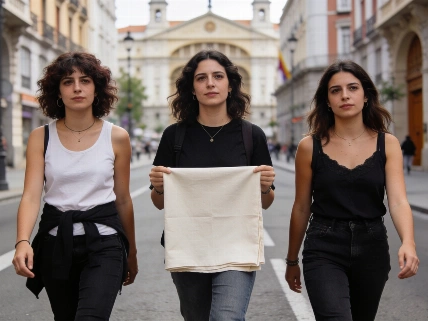
Women from Ceuta marched in Madrid to draw attention to persistent insecurity and the city’s lack of normality. The protest came as parties campaigned ahead of the 29 November general election.
At Fundación Faro's annual dinner, Javier Milei accused Pedro Sánchez of using the ley de nietos to influence the 29 November general election. He also alleged migrant regularisations were intended to boost PSOE votes.
At a campaign event in Fuerteventura, PP spokesperson Ester Muñoz framed the 29 November election as a choice between Pedro Sánchez’s interests and those of Spaniards. She pledged tax cuts focused on the most vulnerable if the PP enters government.
Alberto Rodríguez will lead Drago Canarias in the 29 November general election after the party chose to run alone. The former Podemos organiser also backs a proposed residence law tied to the islands’ carrying capacity.
Badalona mayor Xavier García Albiol has criticised €2,450 in monthly aid to a Moroccan family with six children facing eviction in Vitoria. He has made the case part of his appeal ahead of the 29 November general election.
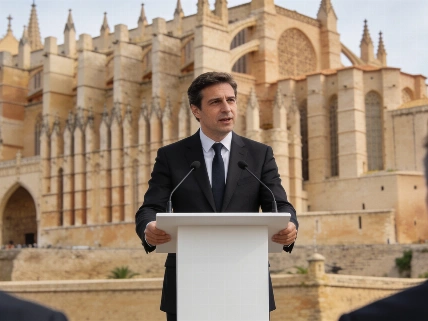
Spain’s parties took their campaign across the country on Saturday, five weeks before the 29 November general election. In Palma, Vox leader Santiago Abascal warned of possible electoral tricks; Sánchez defended his anti-war position at the Reina Sofía.
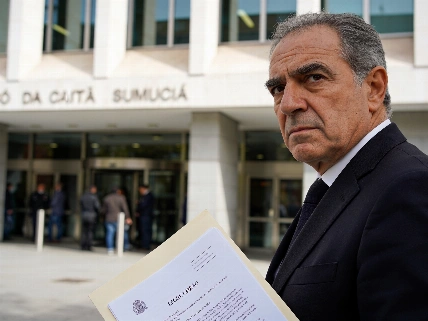
Spain’s Constitutional Court declined to admit the Ombudsman’s appeal, ruling it premature. The Supreme Court must still decide whether about 163,000 disputed overseas registrations can affect November’s election.
Podemos and ERC have presented their electoral arrangement at a Barcelona rally without forming a coalition. Podemos will stay off the Catalan ballot while Gabriel Rufián campaigns for the party elsewhere in Spain.
With the 29 November election approaching, parties have until 26 October to register candidates. Most polls apart from the CIS project a comfortable PP-Vox majority, while Feijóo is promising a smaller government and tax relief for minimum-wage earners.
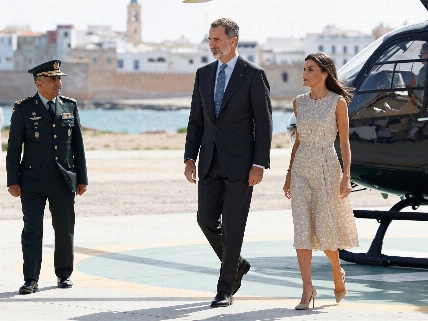
Felipe VI used the 2026 Princess of Asturias Awards in Oviedo to defend democratic institutions during a tense pre-election campaign. His speech called for daily civic commitment as Spain prepares for general elections.
An association has asked Spain’s Supreme Court to verify certificates used under an exception to temporary restrictions on CERA registrations. The judges have yet to decide whether to admit the case or grant the urgent measures.
Alberto Núñez Feijóo says he could govern with Vox if voters leave the PP short of a majority. He also pledges annual pension rises in line with inflation and wants to revisit abortion rules for under-16s.