Apple introduces a new leasing program in the US, letting customers rent iPhones and other devices for up to three years. The move comes as device prices rise and Apple ends its previous Upgrade Program.
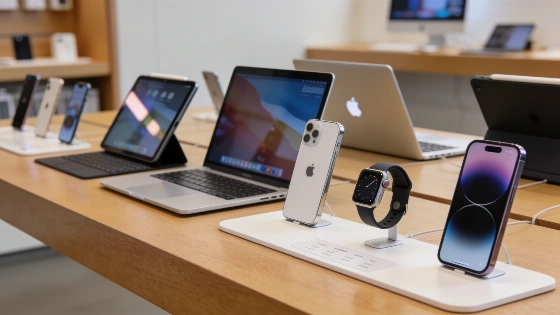
Apple has unveiled a new leasing initiative for its US customers, allowing users to rent iPhones, Macs, iPads, and Apple Watches for up to three years through a partnership with Klarna. The program, named Upgrade, marks a significant shift in how Apple offers its devices, moving away from traditional sales and installment plans toward a model that emphasizes lower monthly payments and regular device turnover.
Under the new scheme, customers can lease an iPhone for one or two years, with monthly payments starting at $17.99. Leasing options for Apple Watch mirror those for the iPhone, while Mac and iPad users can choose between two- or three-year terms. The program is available both in Apple’s physical stores and online, with eligibility determined by a soft credit check. At the end of the lease, users must return the device, pay an additional sum to keep it, or upgrade to a newer model. No security deposit is required, but leases are terminated after three months of missed payments, though Klarna will not impose late fees.
Apple’s decision comes shortly after the company raised prices on several iPad and Mac models, citing a global memory shortage. Some devices saw increases of over $1,000, intensifying concerns about affordability. Analysts have predicted further iPhone price hikes, with estimates suggesting the iPhone 18 Pro could rise by $200 to maintain Apple’s profit margins. Component costs, particularly for memory, are also climbing, with some reports indicating an additional $300 per device in materials alone.
The new leasing model is expected to make Apple’s high-end devices more accessible by spreading costs over time. For example, an unlocked iPhone 17 Pro will cost $31.99 per month for two years, or $45.99 for a single year. However, entry-level models like the iPhone 16 and MacBook Neo are excluded from the program. The company’s previous iPhone Upgrade Program, which bundled AppleCare and required financing through Citizens Bank, has been discontinued in the US. Existing participants will be transitioned to the new Upgrade plan.
Apple’s move positions it in direct competition with US mobile carriers, which have long used device financing and trade-in deals to attract and retain customers. The company also continues to offer zero-interest financing through Apple Card Monthly Installments, and short-term loans via Apple Pay with Klarna or Affirm. The shift to leasing could encourage customers to replace devices more frequently, as the average iPhone replacement cycle has stretched to nearly four years, according to Bernstein estimates.
Looking ahead, Apple is reportedly preparing to introduce a foldable phone alongside the iPhone 18 Pro lineup, with some analysts expecting a price tag around $2,500. The company’s strategy appears focused on pushing its product range further upmarket, even as it seeks to soften the impact of higher prices through flexible payment options.
Apple is set to report its third-quarter earnings on Thursday, which will be the final results presented by CEO Tim Cook before he transitions to the role of executive chairman. The new leasing program is likely to be closely watched by investors and industry observers as Apple adapts its sales approach in a changing market.
Device leasing is not new in the technology sector, but Apple’s direct involvement signals a broader trend toward subscription-based hardware access. For Spanish consumers, while the program is currently limited to the US, such shifts in Apple’s global strategy often influence offerings in Europe. If the leasing model proves successful, similar options could eventually appear in Spain, potentially affecting how residents access and upgrade their devices amid rising technology costs and evolving consumer habits.