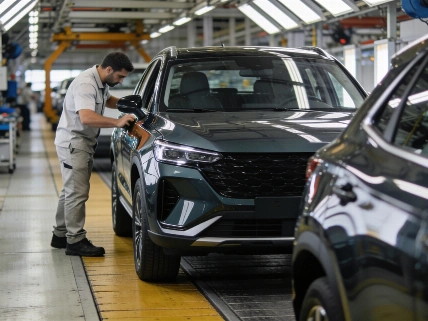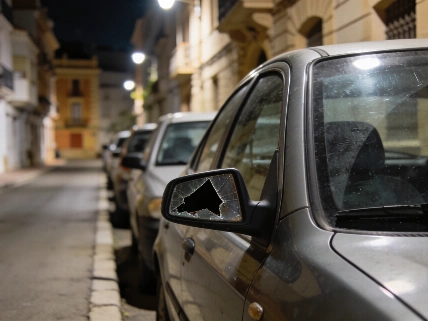
In 2006, Spain introduced the points-based driving license, reshaping the country’s approach to road safety. The system took effect on 1 July 2006, linking specified traffic offences to deductions from a driver’s licence balance. That same year, AUTO BILD launched its Spanish edition to chronicle changes in cars and driving habits. Now, both milestones reach their twentieth anniversary, offering a chance to reflect on how much has changed behind the wheel.
Twenty years ago, paper maps filled Spanish drivers’ glove compartments, while diesel engines dominated the market. SUVs were a rare sight. Electric cars were little more than prototypes. Today, navigation systems warn of speed cameras, and electric vehicles are increasingly common. Compared with 2006, the automotive field is almost unrecognizable.
Experience Over Speed
For many, the early days of driving meant worrying about stalling on a hill or scraping the rims while parking. Priorities shift with time. Experience teaches drivers to anticipate hazards and respect others. It also shows that arriving a few minutes earlier is never worth unnecessary risk. This change in mindset lies central to the points-based license system, designed to penalize dangerous behavior while rewarding responsible driving.
The results are clear. Information from official data, Spain reduced annual road fatalities from 4,400 to fewer than 1,800 in 2024. Today, 73% of drivers retain the full 15 points on their license, and over 90% have at least 12 points. Safer cars and better infrastructure have contributed, as has improved enforcement. Few dispute that the points system fundamentally changed how drivers view their responsibilities on the road. Losing points, and potentially the right to lead, became a real consequence that encouraged safer habits.
The points structure is now incorporated into Royal Legislative Decree 6/2015. Article 60 governs the system, while Annex II sets out point deductions for offences. Most drivers start with 12 points; newly licensed drivers generally begin with eight and can build their balance to 15 by maintaining a clean record for the legally defined periods. Speeding shows how the system combines financial and licensing consequences: depending on the severity of the offence, fines range from €100 to €600, and deductions can reach six points. DGT Director-General Pere Navarro has defended speed cameras as an enforcement measure, describing them as “the only way to reduce speed.”
Exhausting the points balance can lead to the loss of licence validity. To restore it, drivers must take a road-safety and re-education course and pass a control examination. The general waiting period is six months, reduced to three months for professional drivers under the applicable procedure. The system is an administrative sanction mechanism with a defined route back to driving, not simply a financial penalty.
Lessons From Two Decades
Over these twenty years, AUTO BILD has tested cars and debunked myths. It has also answered readers’ questions, always with a focus on the joy and responsibility of driving. Technology and trends may come and go, but common sense remains the best co-pilot. No car, but advanced, can replace the judgment of the person behind the wheel.
Veteran drivers are encouraged to revisit the basics. Adjust seats and mirrors before setting off, and maintain a safe distance. Avoid distractions such as mobile phones. Check tire pressure and fluid levels regularly. These small habits can make a impressive difference, especially as vehicles become more complex.
Driving well is less about having the latest model and more about a willingness to keep learning. The Directorate-General for Traffic (DGT) continues to emphasize two core principles: stay alert and keep improving your skills. After two decades, the message is clear: there is always a new road to discover and more to enjoy on the journey.
Context and Impact
The points-based license system drew inspiration from similar models in France and Germany, but Spain’s rapid reduction in road deaths stands out in Europe. The approach has been credited with fostering a culture of accountability among drivers. Meanwhile, AUTO BILD has become a reference point for Spanish car enthusiasts, reflecting broader changes in mobility and technology, alongside shifting attitudes toward safety.
The reduction in fatalities has not removed the risks. The DGT’s definitive 2025 balance recorded 1,775 deaths in road crashes across roads and urban areas, just 10 fewer than in 2024. Because the total includes both settings, comparisons with figures based on narrower road categories need consistent definitions. In 2024, the DGT recorded 286 motorcyclists killed in 278 fatal crashes on interurban roads. Distraction was also present in 406 fatal crashes that year. Those figures show why road-safety efforts now address specific behaviours and groups alongside the licensing system. They include measures focused on distraction and speed, as well as the risks faced by motorcyclists.
As Spain looks ahead, the focus remains on adapting to new challenges, from the rise of electric vehicles to the integration of advanced driver assistance systems. The push for safer, more sustainable roads continues. The past twenty years have shown that progress is possible when new idea and responsibility go hand in hand.