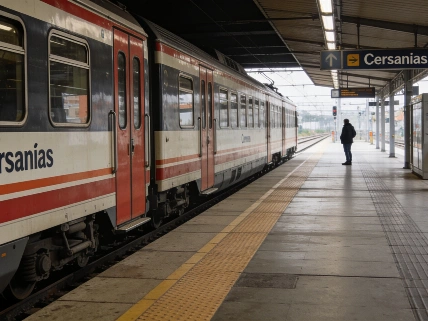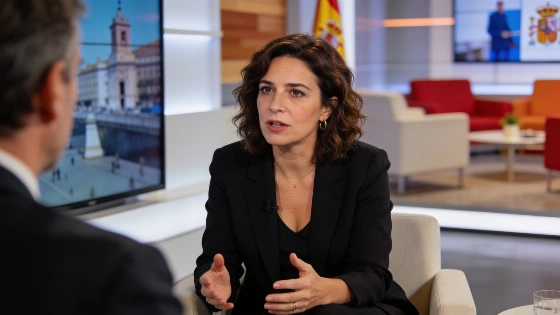
The general strike over housing is scheduled for Wednesday 11 November, from midnight to midnight, a day after a separate Cercanías train drivers’ strike took place. Initially called by tenant organisations, the nationwide stoppage has since won backing from CCOO, UGT and other labour groups. Its slogan is “Wages, housing and prices,” and its demands link housing affordability with wages and working conditions. Isabel Díaz Ayuso called the planned action a left-wing strategy to inflame the streets during an interview on Antena 3.
On Espejo Público, the Madrid president said she had telephoned Alberto Núñez Feijóo on her way to the studio and asked him to promise an end to what she called union abuses if he became prime minister after elections she said were 19 days away. Ayuso said she recognised the constitutional right to strike and protest, while objecting to what she described as disruption to public services and harm to families and public finances.
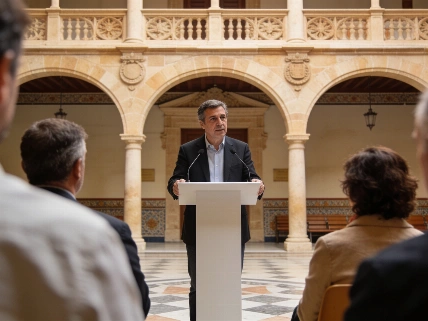
The housing strike has divided opinion, according to a survey by 40dB. for EL PAÍS and Cadena SER. It found 46.3% supported the action and 48.8% opposed it. CCOO and UGT said more than 3,600 workplace groups and works councils backed the strike by 4 November. Their demands include general pay rises of 4% to 7%, an increase of at least 7% in the 2027 statutory minimum wage, rent-containment measures and expanded public and protected housing. They have also called for stronger eviction safeguards and more capacity in healthcare, education and dependency care. Unions have forecast uneven participation, with turnout varying according to the impact of the housing crisis and the existing dispute. CCOO General Secretary Unai Sordo said demonstrations would be the main measure of the strike’s reach, as workplace participation was expected to vary by sector and region. CCOO has also proposed allocating 1% of GDP to public and protected housing, with a longer-term target of at least 1.5 million affordable homes. CSIF, USO and Fetico have declined to join, questioning the political timing. Feijóo has urged people not to join the strike.
The stoppage is expected to affect sectors including public transport, aviation, roads, retail, hospitality and cultural institutions, with actual disruption dependent on turnout and legally established minimum services. The Catalan government published minimum-service arrangements for the action in both public and private sectors, in an order dated 5 November and published in the Official Gazette of the Government of Catalonia. The strike is scheduled less than three weeks before the 29 November general election and two days before the formal election campaign begins.
Ayuso also criticised RTVE’s La revuelta after Vox leader Santiago Abascal appeared on the programme the previous night. She said its presenter, David Broncano, stumbled through questions and inserted political speeches. She objected to his description of the show as left-wing, arguing that TVE is funded by viewers across the political spectrum.
In the same interview, Ayuso accused Pedro Sánchez of using the ley de nietos to influence elections by granting Spanish nationality to descendants of exiles from the dictatorship whom she said were aligned with PSOE. She cited an alleged map at La Moncloa showing the votes needed to gain the next seat in each constituency. Such calculations are routine for parties contesting elections; Ayuso presented them as evidence of electoral engineering.