Isabel Díaz Ayuso has announced more than 100 new government initiatives as criticism intensifies over a controversial penthouse purchase. Opposition parties are demanding transparency and answers.
Isabel Díaz Ayuso is trying to reset the political conversation. With her government under scrutiny for the secretive purchase of a penthouse that cannot be used for public purposes, the Madrid president has responded by rolling out more than one hundred new measures in a single session. The opposition, led by PSOE and Más Madrid, has seized on the property deal as a symbol of secrecy and questionable priorities at the top of the regional government.
The most attention-grabbing proposals include keeping Metro line 6 open 24 hours on weekends and increasing financial support for women under 35 who have a third child. These moves are meant to shift focus away from the penthouse controversy and back to Ayuso’s policy agenda as her term nears its end. According to Spanish media, the measures were announced the same week the penthouse scandal escalated, with the government hoping to regain control of the public debate.
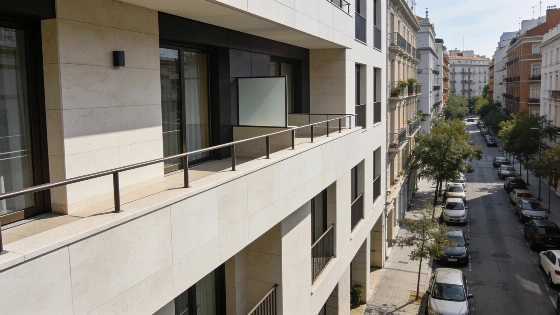
The penthouse, originally purchased in April 2026 for approximately €6.3 million through the public company Planifica Madrid, was intended as a temporary workspace during renovations at Real Casa de Correos.
The property scandal, however, has not faded. Both Más Madrid and PSOE have demanded access to the full file on the penthouse acquisition, which was handled by Planifica Madrid. Unlike routine transactions, this purchase was not publicized, fueling suspicions about its necessity and transparency. Más Madrid insists the government must release the documentation before September 17, when the regional presidency’s top official is scheduled to explain the deal in the Assembly. The government argues that the opposition is misreading the rules, saying the cited regulation applies only to committee matters, not to this type of purchase. As reported by El País, the opposition has made the release of these documents a central demand ahead of the Assembly session.
Ayuso’s response to the crisis has drawn attention even within her own party. In August, as details of the penthouse deal came out, she appeared visibly irritated and tense in public, but did not avoid press questions. Her supporters were surprised by the lack of a strong defense, a contrast to her usual combative style. The local leadership of the Partido Popular, usually quick to defend its own, was notably quiet, leaving Ayuso to face the media largely alone. Several national outlets have noted this unusual isolation during the controversy.
With the opposition preparing to confront her directly in the Assembly, Ayuso’s strategy is clear: overwhelm critics with a flood of policy announcements and try to regain control of the agenda. The timing matters, as the next regional elections are set for spring 2027. The government hopes that a wave of new measures will drown out the controversy and shift the debate to concrete benefits for Madrid residents.
A key new development is that the penthouse has already been put up for sale again, with the resale price raised to €6.69 million. The application period closed on September 7, 2026, and bids are scheduled to be opened on September 16.
Meanwhile, the opposition is gathering every published detail about the penthouse affair, ready to challenge Ayuso when their turn comes on Friday. The standoff over access to the purchase file has become a procedural fight, with each side citing different interpretations of the Assembly’s rules. This echoes other recent disputes in Spanish politics, such as the earlier breakdown over government transparency in Ceuta, highlighting a broader pattern of institutional friction. According to the Tribunal de Cuentas, Spain’s Court of Auditors, a formal complaint from Más Madrid about possible damage to the regional budget has been accepted for review, and the matter has been sent to the prosecutor’s office for possible investigation or recovery proceedings.
Madrid’s political climate remains tense as Ayuso tries to reassert her authority. The scale and speed of her new policy rollout suggest a leader determined to move past the penthouse scandal, but the opposition’s persistence shows the issue is not going away. Whether Ayuso can weather this storm will depend not just on the number of her announcements, but on whether she can address the underlying questions of transparency and public trust. The penthouse episode has exposed weaknesses in her administration’s approach to accountability, and unless those are resolved, new policy measures alone are unlikely to restore her standing.