Barcelona authorities have opened a dedicated office for residents and businesses hit by the L9 sinkhole. Immediate advances and soft loans are now available. The move aims to address urgent needs while investigations continue.
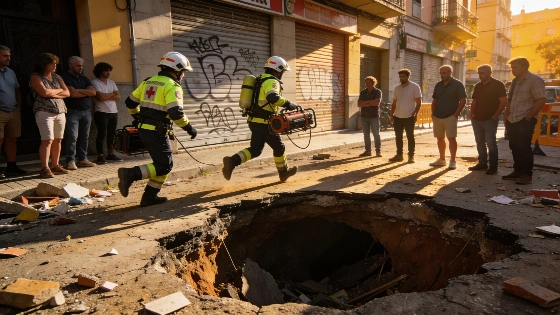
Barcelona’s government has set up a new compensation office to support residents and businesses affected by the recent sinkhole in El Putxet, which was triggered by ongoing works on the L9 metro line. The initiative, announced by Sílvia Paneque, spokesperson and Minister of Territory for the Catalan government, comes as families and shop owners face mounting losses and disruptions since the incident on June 7.
The newly established office, a joint effort between the regional government and the Barcelona City Council, will process requests for financial advances and emergency assistance. These advances will be deducted from final indemnities once the official investigation into the sinkhole’s causes is complete. According to Paneque, resources from the Contingency Fund have been mobilized to ensure immediate support, with no fixed cap set on the amount available for transfers. The office is designed to handle claims from both private individuals—such as those forced to leave their homes—and local businesses suffering lost revenue due to closures.
For affected families, the compensation will cover not only temporary accommodation but also additional expenses like transport and food, reflecting the broad impact of being unable to live in their own homes. Businesses, meanwhile, will benefit from two main forms of support: upfront payments against future compensation and access to soft loans through the Institut Català de Finances (ICF), whose emergency credit line is being expanded to meet increased demand. The government has emphasized that all necessary situations will be addressed, with the aim of providing relief to those not responsible for the disruption.
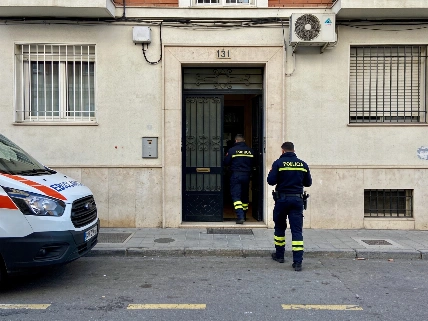
Paneque confirmed that the Consell Executiu has already authorized the first transfers from the Contingency Fund to finance these advances. She also noted that, as of this week, residents from two of the eight evacuated buildings have begun returning home, following safety assessments on Rubinstein Street. The Ministry of Territory continues to monitor the situation closely in coordination with Infraestructures.cat, ensuring that both immediate and long-term needs are met as the investigation progresses.
This rapid response follows a series of high-profile debates in Catalonia over public funding and emergency management. For example, recent disputes over regional budget allocations have highlighted the challenges of balancing urgent local needs with broader fiscal policy, as seen in the ongoing discussions about Catalonia’s financial planning for the coming years. The current approach to the L9 sinkhole reflects a shift toward more flexible and resident-focused crisis management, a trend also discussed in recent coverage of Catalonia’s evolving budget strategies.
Sinkholes linked to major infrastructure projects are rare but can have significant consequences for urban communities. In Spain, local and regional authorities are typically responsible for coordinating emergency responses and compensation, often relying on contingency funds and specialized credit lines. The L9 metro extension, one of Barcelona’s largest transport projects, has faced delays and technical challenges in the past, underscoring the complexity of urban construction in densely populated neighborhoods. The swift establishment of a compensation office in this case signals a commitment to minimizing disruption and supporting those directly impacted, while broader questions about infrastructure safety and funding remain part of the public debate.