Climate risks to health and island livelihoods are among the issues under discussion at the Telde forum, alongside practical work on decarbonisation. The event began on Wednesday, 4 November, and continues on Thursday, 5 November. More than 200 people registered for each day. Radio Televisión Canaria reported around 200 professionals taking part on each of the two days.
Several dozen additional participants have signed up for practical workshops. The Consejería de Transición Ecológica y Energía is organising the first edition as a meeting point for climate research and projects in the Canary Islands. The organisers say they intend to continue the forum in future editions. Scientists, public administrations and businesses are taking part. The programme includes presentations and roundtables, along with hands-on activities.
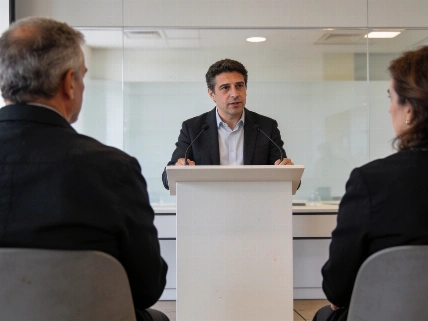
Mariano H. Zapata, the Canary Islands minister for ecological transition and energy, said registrations from public administrations, businesses, universities and the wider public showed the subject’s reach. He said the forum was intended to help people in different fields share experience and find opportunities to collaborate.
The opening also included Aridane González, president of the Canary Islands Committee of Experts for the Study of Climate Change, the Circular Economy and the Blue Economy. He described climate change as a present reality for the islands and stressed the need for scientific knowledge and political tools to address it.
The programme covers climate and health, projections of future conditions and risks to the islands. Other sessions examine effects on tourism, agriculture and fishing, alongside issues such as biodiversity, water, the oceans and desertification. A study presented by the Government of the Canary Islands before the forum examined climate vulnerabilities affecting crops including bananas, avocados and grapevines. It also covered livestock farming, beekeeping and rural workers. The regional focus differs from the legal and health research agenda of a separate Canary Islands conference covered by RUSSPAIN.
Speakers include RTVE meteorologist and presenter Mónica López. Urban ecologist Salvador Rueda, president of the Fundación Ecología Urbana y Territorial, is also taking part. Alonso Hernández Guerra, a University of Las Palmas de Gran Canaria professor specialising in oceanography, is among the contributors. Vice-minister Julieta Schallenberg is scheduled to speak about decarbonisation in the Canary Islands.
The first day’s sessions have addressed decarbonisation and climate-related health issues, as well as the islands’ climate-shelter network and economic exposure. The programme also includes a recording of the “Palique divulgativo” podcast and presentations of social participation projects by El Rosario Solar and Ayaguares. During the same week, the regional Ministry of Ecological Transition and Energy and the Canary Islands Cartographic Institute, GRAFCAN, launched a public map of climate shelters. The tool provides practical details, including opening hours and accessibility, as well as drinking water and rest areas.
On 5 November, sessions are due to cover the oceans’ role in the climate system, blue carbon and ocean acidification. The agenda also includes transport decarbonisation and biofuels, with further discussions on waste, the Canary Islands Carbon Footprint Register and climate education.
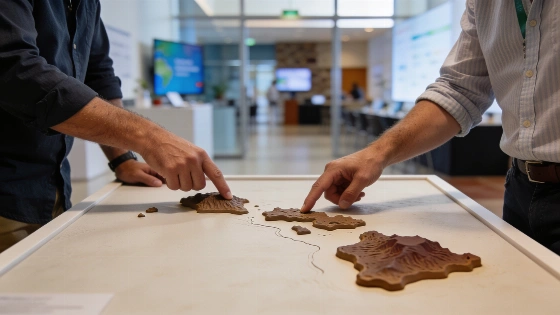
Exhibition areas present climate-action projects from all eight islands, with teams explaining their work. A poster display features initiatives and studies. Workshops include a climate session for children aged five and over. Open activities for all audiences cover Renaturban, a computer application for urban renaturalisation, as well as carbon-footprint calculation.