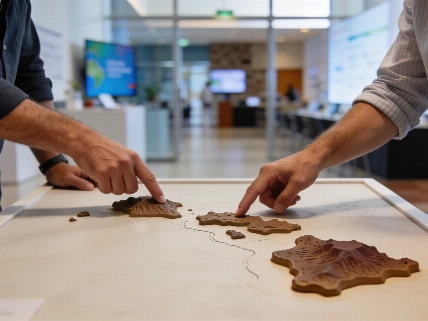
Public officials, businesses, researchers, social organisations and residents met over two days to exchange projects and share experience from across the archipelago. Held in Telde, Gran Canaria, on 4-5 November 2026, the first Canary Islands Climate Change Forum brought together more than 200 registered participants each day. Projects from all eight islands featured in the exhibition and exchange programme, while several dozen additional participants signed up for practical workshops.
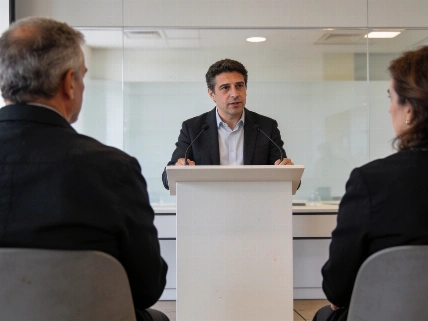
The Government of the Canary Islands’ Consejería de Transición Ecológica y Energía organised the forum through the Oficinas Verdes de Canarias. Its stated aims were to showcase climate initiatives in the islands, promote research and knowledge exchange, and help participants work together. At the close, minister Mariano H. Zapata said the event had shown the work underway in the islands, while acknowledging that much remained to be done. He pointed to decarbonisation as an area where progress should continue.
Zapata argued that ecological transition required action across government departments and cooperation among administrations, universities and businesses. He cited support for the forum from Education, Health, Agriculture and Tourism. One example was Proyecto Idafe, which promotes sustainability and climate action in schools across all eight islands.
Research also featured at a separate Canary Islands event on law and health, covered in an earlier conference report. Vice-minister Julieta Schallenberg, who oversees ecological transition, climate-change action and energy, thanked the forum’s speakers and exhibitors, along with members of the public who attended. She said she wanted the event to continue as a space for scientific knowledge and dialogue.
Aridane González, president of the Committee of Experts for the Study of Climate Change and the Promotion of the Circular and Blue Economy, praised the working meetings and scientific exchange. He stressed the role of governance in coordinating initiatives and supporting decisions across different fields.
The first day included contributions from meteorologist and RTVE presenter Mónica López and urban ecologist Salvador Rueda, president of Fundación Ecología Urbana y Territorial. Oceanography specialist Alonso Hernández Guerra, a professor at the University of Las Palmas de Gran Canaria, also took part. Sessions covered climate and health, alongside projections and risks for the islands. Other discussions looked at effects on the economy, tourism, agriculture and fishing.
The second day examined the oceans’ role in the climate system, as well as biodiversity, water and desertification. Separate sessions focused on ocean acidification, transport decarbonisation and waste management. The programme also covered the Registro Canario de la Huella de Carbono and climate education. Across the two days, the agenda addressed impacts on cities and island livelihoods, along with decarbonisation and marine issues.
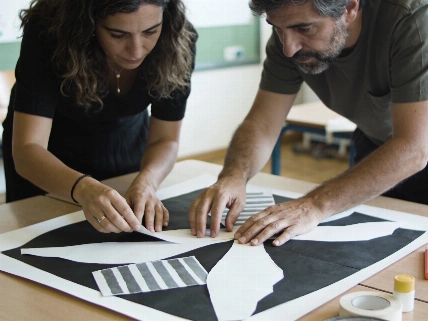
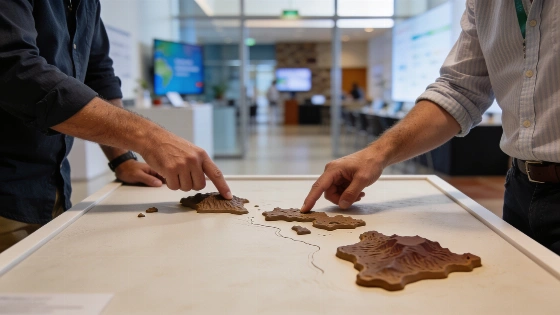
Exhibition areas and a poster display presented studies and projects on climate action in the Canary Islands. Practical workshops included activities for children, sessions linked to Renaturban on urban renaturalisation, and a workshop on calculating carbon footprints.