A 1995 Tribunal Supremo judgment allows Spain’s autonomous communities to hire doctors without specialist training exceptionally and temporarily when shortages are extreme. The Servicio Canario de la Salud (SCS) says it cannot produce a total of such doctors working in public healthcare across the Canary Islands.
The figure was requested through the Canary Islands’ transparency office, which was asked how many doctors in public hospitals work without MIR training and how many lack a recognised medical specialty. The SCS said its computer system cannot extract the information automatically. Producing a total would mean checking individual staff files manually, a task its response described as requiring an excessive amount of time.
The management of the HUC gave a similar response to a separate information request. It said details such as employees’ nationalities and whether their qualifications had been recognised are held, where applicable, in individual administrative files as part of the documentation required for hiring.
Rules for medical practice
A medical degree obtained in Spain or abroad does not, by itself, allow someone without specialist training to work in Spain’s public health service, even if the degree has been recognised. Graduates generally need to complete the MIR, the national medical residency route. Doctors who specialised abroad can practise without the MIR if the Ministerio de Sanidad recognises their specialty. Recognition of a basic medical qualification and recognition of a specialist qualification are separate matters: a doctor may have a recognised medical degree without a recognised specialist title, while foreign-trained specialists can seek recognition of their specialty through a separate route administered by the Ministerio de Sanidad.
The 1995 judgment provides an exceptional route for hiring doctors whose general medical degrees have been recognised but who lack MIR specialisation. The source describes the permission as temporary and intended for situations of extreme need and professional shortages. Separately, Real Decreto 1753/1998, de 31 de julio regulates exceptional access to the specialist title in Medicina Familiar y Comunitaria and the practice of family medicine in the Sistema Nacional de Salud.
Concerns over oversight
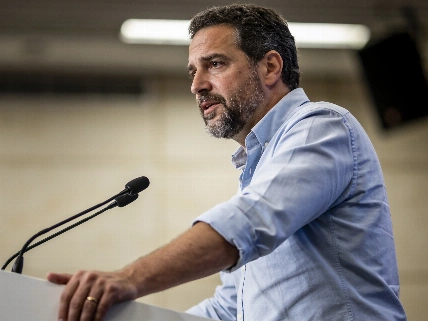
Jesús Arzúa, president of AME (Asociación MIR España), called the absence of an easily accessible figure concerning. He argued that verifying staff qualifications is a basic responsibility of the administration and a safeguard for patients. He also said that requiring individual checks did not answer the request or justify leaving it unanswered.
Rodrigo Martín, president of the Colegio de Médicos de Santa Cruz de Tenerife, said many doctors without recognised MIR training are hired in public healthcare. He said they are generally assigned to emergency departments in larger hospitals, while on smaller islands such as El Hierro and La Gomera they may cover posts held by specialists.
Martín also said that nearly 70% of professionals in Atención Primaria posts in family medicine or paediatrics lack the relevant specialty. He attributed some recurring problems in care, including repeat appointments and patients returning to emergency departments within 72 hours, to what he described as insufficient training.