Cáritas Diocesana de Huelva has opened the Refugio Nuestra Señora del Rocío after assisting 1,018 people experiencing homelessness in 2025. Women accounted for 33% of those supported, well above the previous year’s share.
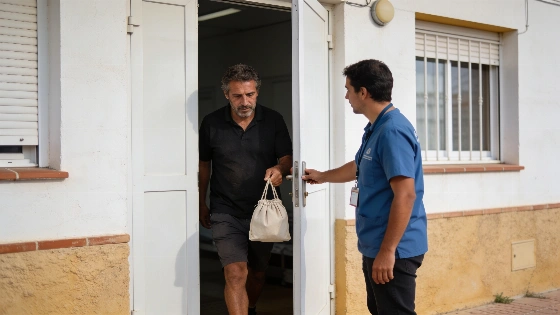
Cáritas Diocesana de Huelva assisted 1,018 people experiencing homelessness during 2025. The figures were reported in October 2026. The organisation has recently opened the Refugio Nuestra Señora del Rocío, temporary accommodation for people without a home or facing severe housing insecurity. Located on Calle Cantero Cuadrado in Huelva city, the refuge has capacity for 15 men and women. It provides overnight accommodation every day of the week.
The refuge is part of a wider response that includes a day centre serving almost 750 people a year and five reception resources with 46 places. More than 62 volunteers helped Cáritas support the 1,018 people last year. Across Andalusia, diocesan Cáritas organisations run residential centres and supported or semi-supported housing. Their work also includes day centres, night shelters, emergency accommodation and street outreach.
Women accounted for 33% of those assisted, while men made up 67%. Cáritas says the proportion of women rose significantly from the previous year. A third of those supported were Spanish nationals. Most were aged between 18 and 55, were single and had low levels of formal qualifications. Across Andalusia, men represented 85% of people accompanied by Cáritas in 2025. The largest age group was 35 to 60. Spanish and foreign nationals made up roughly similar shares of the regional figures, according to reporting on Cáritas data.
The difficulties reported include mental health problems and limited financial resources. Addictions also feature, as does the lack of a work permit. Many people have weak family or social support networks. They may also face administrative obstacles and complex migration circumstances.
Cáritas says the causes extend beyond the lack of housing itself. A shortage of social housing and rising property-market prices make access harder. Barriers to benefits add to the problem, as do social stigma and aporophobia. Migrants without regular administrative status face further difficulties. A housing-cost study by Cáritas Castilla y León also documented financial strain linked to housing in a separate regional assessment. Nationally, EAPN-ES reported, using 2025 Spanish household-living-conditions survey data, that 10.6% of the population had fallen behind on rent or mortgage payments because of financial difficulties. The share living in owner-occupied homes fell from 80.2% in 2008 to 73.7% in 2025. Over the same period, the share of renters rose from 14.3% to 20.8%.
The Huelva campaign for the October 25 Day of Homeless People is called “Un hogar, un lugar al que pertenecer”. It argues that a home offers a safe, stable place to build a life. It also provides privacy and a connection to a community. Losing that sense of belonging can affect health and employment, as well as access to rights.
Across Andalusia, diocesan Cáritas organisations accompanied close to 5,000 people experiencing homelessness during 2025. Their work included residential services and supported housing. Day-centre services formed part of the response, alongside emergency accommodation and street programmes. The most common profile was a man aged between 35 and 60, though people’s circumstances varied. The work involved 118 professionals and around 700 volunteers. Investment exceeded €4.3 million, with approximately 55% of the funding coming from Cáritas’s own resources. In Huelva, the 1,018 people assisted formed part of this regional total.
In a statement reported by Europa Press on October 20, 2026, Cáritas Regional de Andalucía called for a coordinated response linking housing with social services. It said healthcare and employment support should also be involved, alongside dependency and immigration services, rather than relying on temporary accommodation alone. Cáritas is urging public authorities to prioritise homelessness by improving access to decent housing and appropriate social and healthcare support. It also calls for faster administrative procedures and real opportunities for social and employment inclusion. The organisation asks the public to challenge aporophobia and prejudice against people in vulnerable situations. Across Spain, Cáritas accompanied 44,475 people experiencing homelessness in 2025, 3.8% more than the previous year.