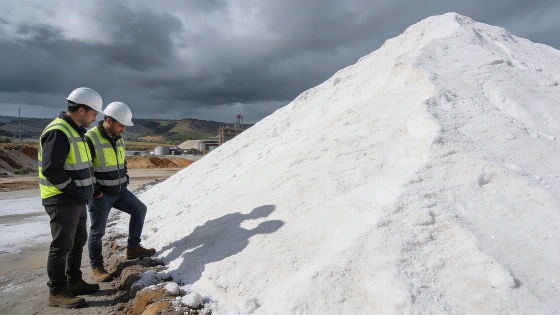
After two decades of legal battles, the Catalan High Court has ruled that Sallent’s town hall and Iberpotash must dismantle the Cogulló salt waste mountain. The decision ends years of appeals and confirms responsibility for the environmental restoration.
The Catalan High Court has delivered a decisive ruling in the long-running dispute over the Cogulló salt waste mountain in Sallent (Barcelona), ordering both the local council and mining company Iberpotash to dismantle the 45 million tonnes of accumulated residues. This marks the end of a 20-year legal saga, as the court rejected Iberpotash’s final appeal, confirming the obligation to restore the affected area.
The conflict began in the early 2000s, when residents of the Rampinya neighborhood raised concerns about the growing salt dump created by Iberpotash, a subsidiary of Israel’s ICL group. The company, which operated the Vilafruns and Cabanasses mines, continued to expand the waste site despite local opposition. In 2007, neighbors formally requested the removal of the residues and environmental restoration, citing legal requirements. With no action from the town hall and the dump still expanding, residents filed an administrative lawsuit, which initially ruled in their favor.
However, the legal process became a labyrinth of appeals and counter-appeals. Both the Sallent council and Iberpotash challenged the first verdict, but the Catalan High Court upheld the decision. Subsequent appeals to the Supreme Court were also dismissed. As the ruling remained unenforced, residents sought a forced execution order, triggering another round of legal maneuvers. Throughout, the courts consistently sided with the neighborhood association, culminating in the latest decision that leaves no further avenues for appeal. According to the residents’ lawyer, Climent Fernández, this is now the eighth consecutive ruling in their favor.
The environmental impact of the salt dump has been a persistent concern, with the mining activity linked to increased salinity in the Llobregat river. Iberpotash, employing over 700 people directly and supporting hundreds more indirectly, has faced sustained opposition from local residents, environmental groups, and the public prosecutor’s office. The company’s last permit to add new waste to the mountain expired in 2019, and no further dumping has occurred since then.
While the civil case appears settled, a separate criminal investigation into alleged ecological offenses related to both the Vilafruns and Cabanasses mines remains ongoing. The outcome of this process could have further implications for the company and the region.
The situation in Sallent highlights the complex balance between industrial activity and environmental responsibility in Catalonia. Similar tensions have surfaced elsewhere in Spain, as seen when Ceuta faced criticism over conditions in a migrant camp after severe flooding. Both cases underscore the challenges authorities face in responding to local demands for accountability and environmental protection.
For context, Iberpotash’s operations have played a significant economic role in the Bages region, but the legal precedent set by this case may influence future disputes over industrial waste and environmental standards across Spain. The court’s decision obliges both public and private actors to comply with restoration mandates, reinforcing the judiciary’s role in upholding environmental law.